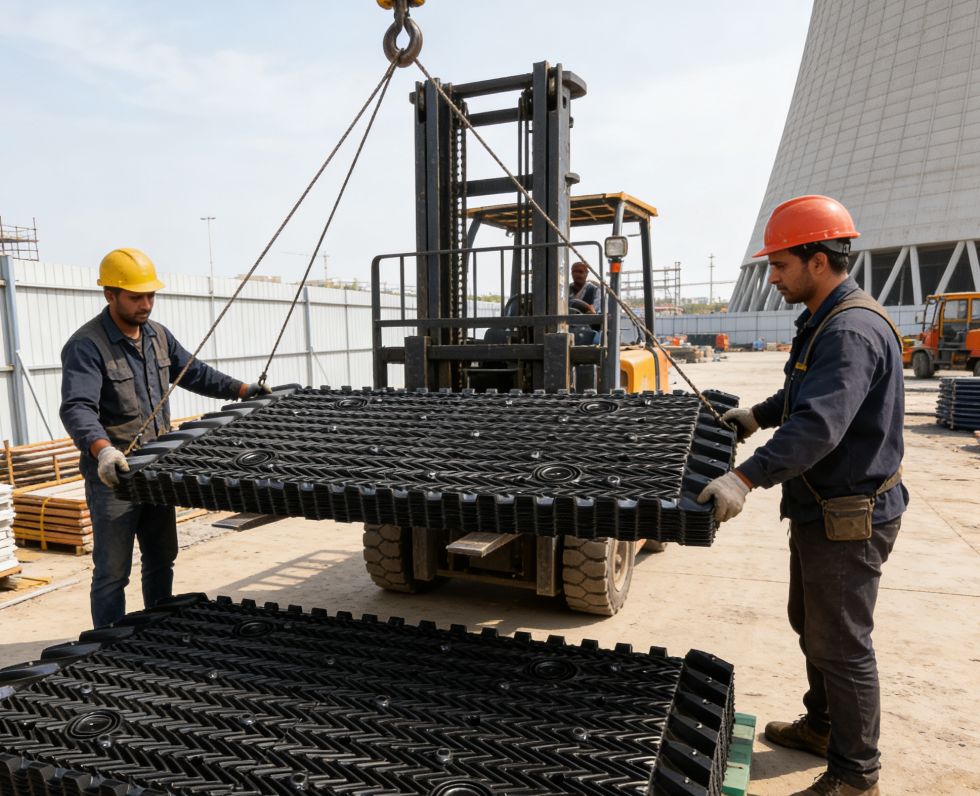
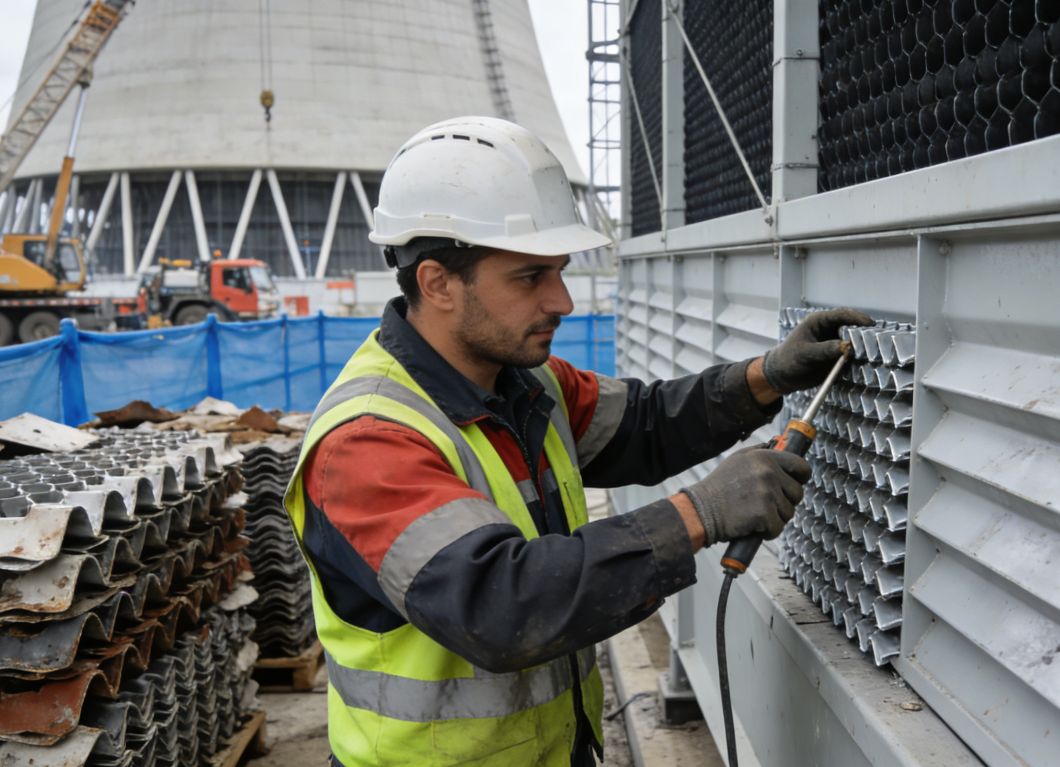
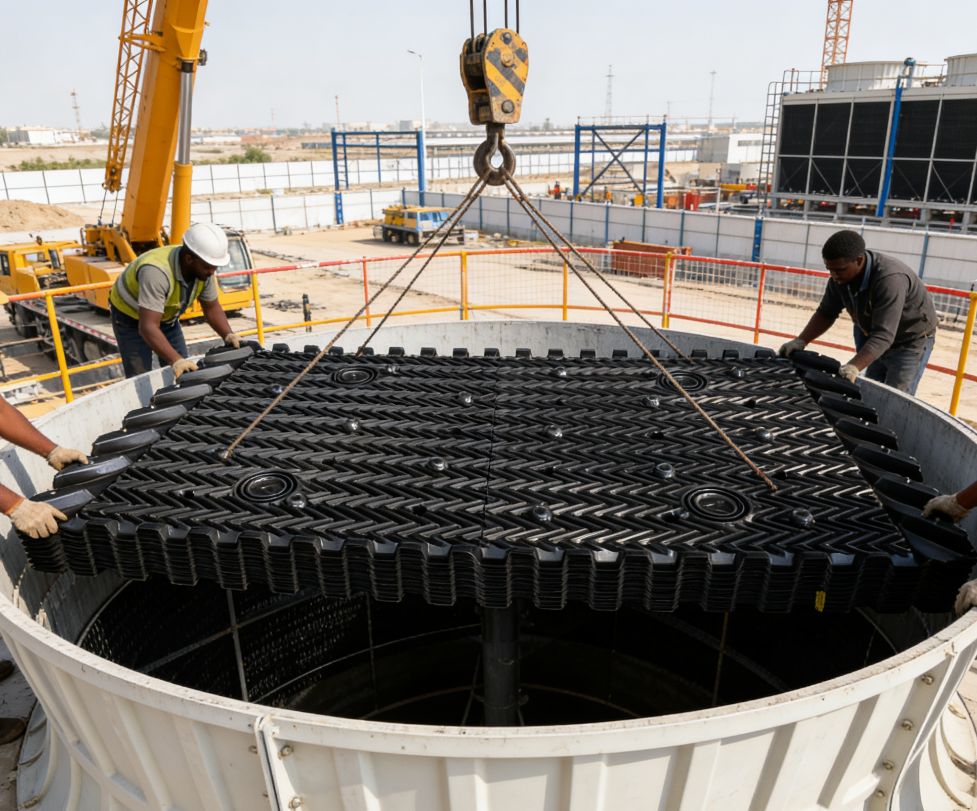
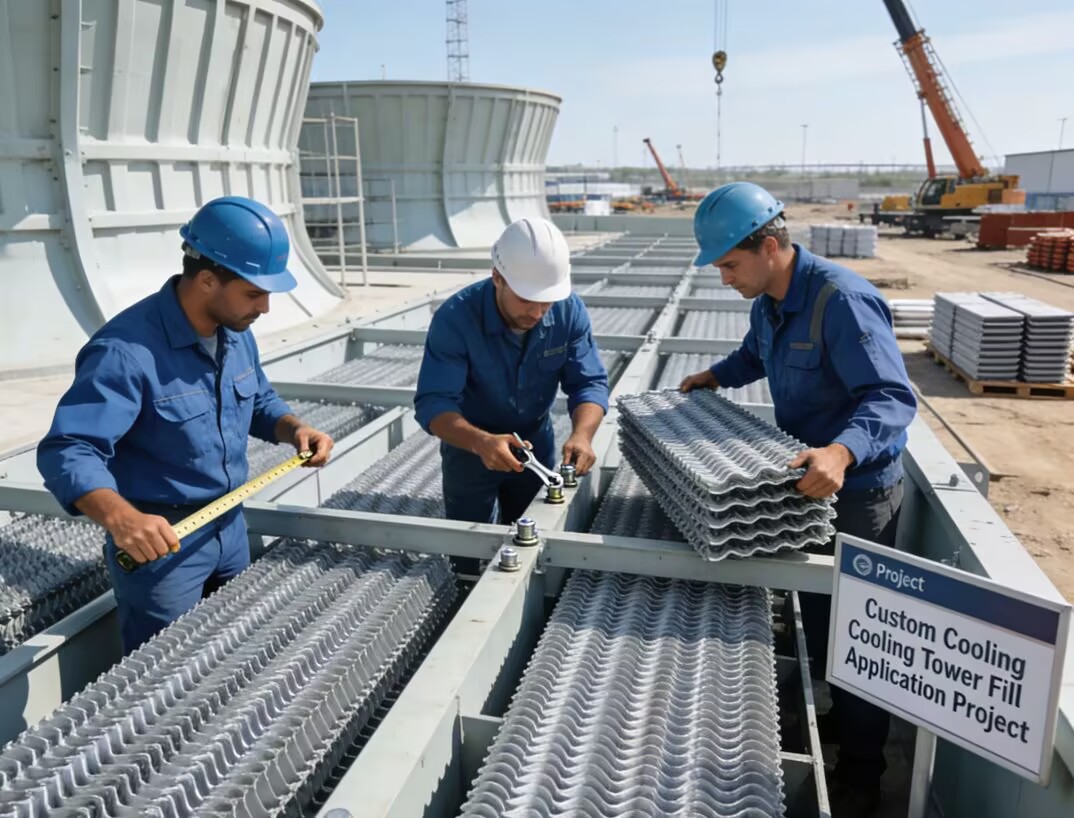
Cooling tower fill does not operate in a fixed environment. In real industrial use, the tower is exposed to seasonal changes in temperature, humidity, rainfall, wind, dust loading, and water quality variation. These changes may seem small at first, but they can influence water distribution, fouling rate, evaporation behavior, and maintenance demand over time.
For engineers, seasonal conditions are not just a weather issue. They are part of the operating condition. A fill that performs well in one season may behave differently in another, especially when the tower handles recycled water, hard water, or systems with changing load levels. This is why seasonal review is a useful part of long-term cooling tower planning.
Cooling towers depend on the interaction between air and water. When weather changes, that interaction changes too. Hot and dry weather can increase evaporation demand. Humid weather can reduce the apparent cooling margin. Rainy seasons may introduce additional debris and water quality variation. Wind and dust can affect intake conditions and internal cleanliness.
These conditions influence not only the tower shell, but also the fill pack. In many plants, the fill is the first internal section to show the effect of seasonal stress because it is where water distribution and heat exchange take place together.

During hotter months, the tower may run under heavier thermal load. Water enters the fill at a higher temperature, and the system is expected to release more heat in a shorter time. If the fill is not suited to this duty, performance can drift away from the expected operating range.
High summer temperature can also accelerate the following issues:
In seasonal review work, the summer period often reveals weak points that remain hidden during milder conditions.
Film fill cooling tower systems can perform efficiently in summer if the water quality remains stable. The structured surface promotes strong water-air contact, which is useful when thermal demand rises.
However, hot weather can also make fouling appear faster. If suspended solids or biological deposits are already present, the narrow flow paths inside the fill can become more sensitive during peak season.
tower fill arranged as splash fill often handles seasonal loading more comfortably in difficult water conditions. Because the structure is more open, it may stay usable even when summer dust, debris, or process residue increases.
For plants where summer conditions are accompanied by poor water quality, splash fill can provide better operating tolerance.
Rainy season can affect cooling tower performance in less obvious ways. Ambient temperature may become lower, but water quality may become less stable. Rainwater can carry dust, organic material, and airborne contaminants into the system. In some sites, basin overflow or drainage issues can also become more visible during heavy rainfall.
When these conditions occur, cooling tower fill media may encounter a different fouling pattern than in the dry season. The tower may not appear heavily loaded at first, but contamination can settle gradually inside the fill pack and affect performance later.
Rainy season planning should include both mechanical inspection and water treatment review. One without the other is often not enough.
In dry seasons, windblown dust becomes a more common issue. Intake air may carry fine particles into the tower, and these particles can settle on wet surfaces inside the fill section. When combined with normal water circulation, dust can gradually build up and create localized fouling.
This is especially important in industrial areas near roads, construction work, bulk material handling, or open land. In these places, seasonal dust may become one of the main reasons the tower needs more frequent cleaning.
To reduce this risk, many facilities pay more attention to intake protection components and internal inspection intervals during dry months.
These components do not remove all contamination, but they can help reduce the amount entering the tower during difficult seasonal conditions.

Water quality often shifts with the season, even when the same source water is used year-round. In some regions, dry weather increases hardness and concentration. In other regions, rainwater dilutes the system but introduces more organic debris.
These changes influence scaling, fouling, and the overall behavior of cooling tower fill media. If the water treatment program does not adapt, the fill may age faster than expected.
Common seasonal water quality concerns include:
Seasonal water review is a practical way to prevent unexpected maintenance problems later in the year.
PVC cooling tower fill is commonly used in many industrial towers because it offers practical performance in standard conditions. When seasonal variation is moderate and the water treatment program is stable, PVC can remain a suitable option.
However, in systems with strong temperature swings or repeated fouling, the operator should review whether the existing PVC fill still matches the operating pattern.
PP cooling tower fill is often considered when seasonal exposure places more stress on the tower. In some sites, higher temperature, stronger chemical activity, or more demanding operating cycles make PP a more practical option.
As with all fill selection decisions, material should be chosen according to the real condition, not only the catalog description.
In one tropical industrial project, the cooling tower performed differently between wet and dry months. During the humid period, biological growth increased and inspection showed slime on the fill surface. During the drier period, dust loading became the larger issue.
The tower was not failing in a dramatic way, but the maintenance pattern kept changing with the weather. After reviewing the seasonal operating history, the plant adjusted the cleaning schedule and improved intake protection. The result was a more stable fill condition across the year.
This case showed that one maintenance schedule for the whole year was not enough. Seasonal planning was necessary.
A coastal facility experienced different issues depending on the season. Humid months increased biological activity, while windy months carried salt and airborne particles into the tower. Although the fill remained functional, the surface condition changed faster than expected.
The maintenance team responded by inspecting the fill more often and reviewing the water treatment program after each major seasonal shift. This approach helped preserve cooling stability and prevented minor fouling from turning into larger service problems.
In a dry inland area, dust became the main seasonal challenge. The tower received a higher particulate load during windy months, and the fill surface needed more frequent cleaning.
After intake protection was improved and the inspection cycle was adjusted, the tower became easier to manage. This was a practical reminder that seasonal weather can influence internal tower cleanliness as much as water chemistry does.
A good maintenance plan should not remain identical throughout the year. Seasonal adjustments often produce better results because the tower is not exposed to the same conditions every month.
Maintenance that matches the season usually provides better long-term value than a fixed routine applied without review.
Fill performance is also affected by surrounding components. A tower that keeps carryover and contamination under control is easier to maintain through seasonal changes.
These components help keep the tower cleaner and reduce the chance that weather-related contamination reaches the fill section.
Seasonal weather changes can influence cooling tower fill performance in many ways. Summer heat, rainy season contamination, dry-season dust, humidity, and changing water quality all affect how the fill operates and how often it needs attention.
For industrial operators, the best approach is to treat the tower as a seasonal system rather than a fixed one. When fill selection, intake protection, water treatment, and maintenance planning are adjusted to match the weather, long-term performance becomes more stable and easier to manage.
Hot weather can increase thermal load and accelerate fouling, so the tower may need more attention during summer conditions.
Rainy season can change water quality, increase debris entry, and alter biological activity inside the tower.
Splash fill is often more tolerant of contamination and may be easier to manage in dusty environments.
Yes. Inspection frequency and cleaning plans often need adjustment when weather and water quality change.
Start with fill condition, intake debris, water distribution, and water quality before deciding on replacement.
We are professional cooling tower fills manufacturer, which can supply wide ranges of cooling tower fills with PVC, PP or CPVC materials.
The brake oil pipes we provide have multiple monitoring certifications and complete compliance documents to help your business smoothly enter the global market.
Fully automated production line, supporting individual customization. Combined with just-in-time logistics solutions, ensuring stable inventory.
A professional foreign trade technical team provides rapid response and is a trustworthy partner, offering everything from technical Q&A to market insights.

The cooling tower fill from this company has performed reliably in our systems. We appreciate the consistent quality and noticeable efficiency improvement.
CEO & Founder

As a CEO, I value partners who deliver on their promises. Their cooling tower fill is a solid product that contributes to stable operations.
CEO & Founder

We are satisfied with the performance of this cooling tower fill. It has integrated well into our existing setup with good results.
Manager

This company provides quality cooling tower fill that meets our operational needs. It's a dependable component in our infrastructure.
CEO & Founder

We are professional cooling tower fills manufacturer, which can supply wide ranges of cooling tower fills with PVC, PP or CPVC materials.

Instant Chat Support
+8615303180686
packingesale@gmail.com
Get the latest information
Scan the code to follow
Return to the top of the page