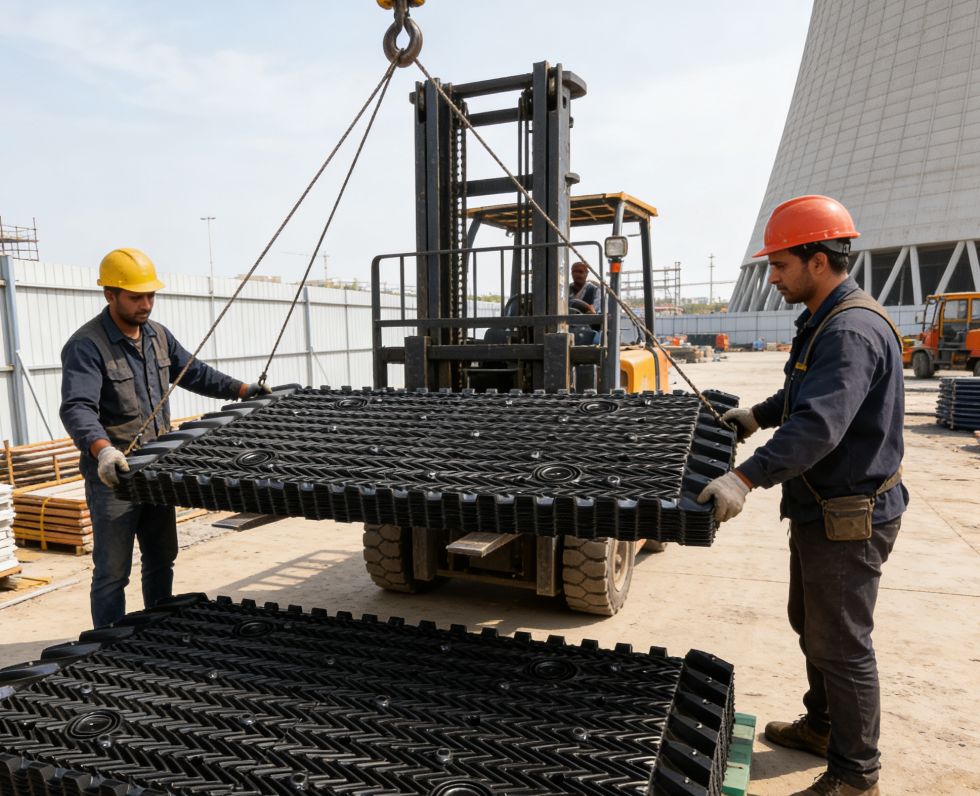
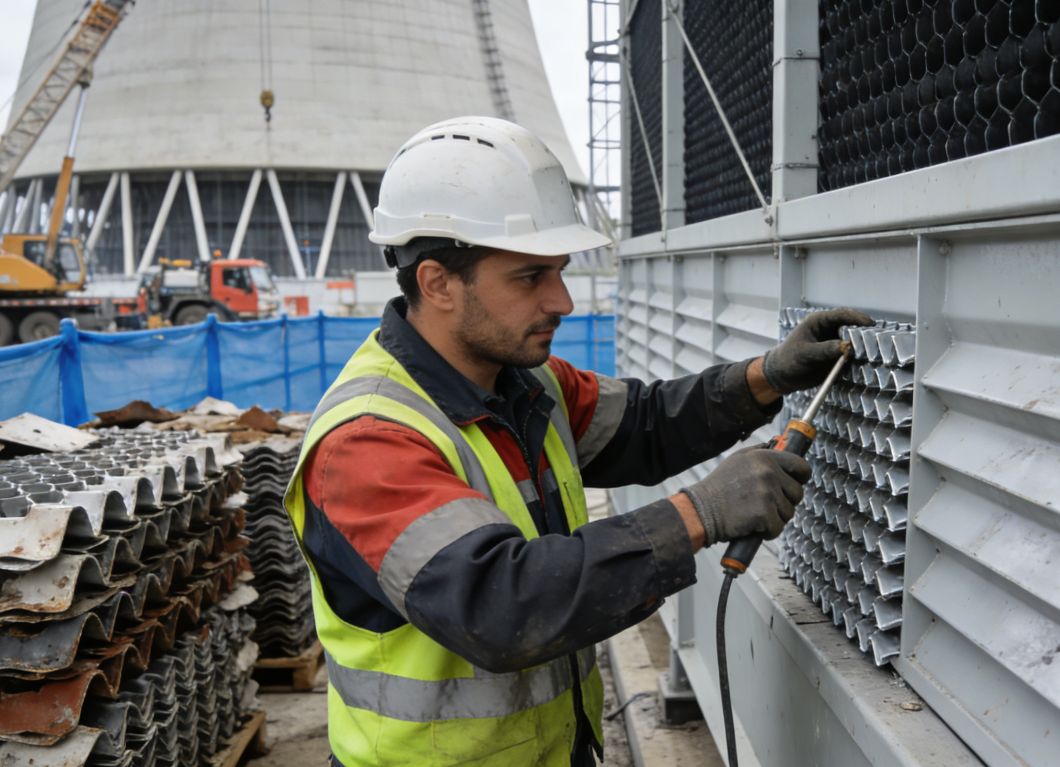
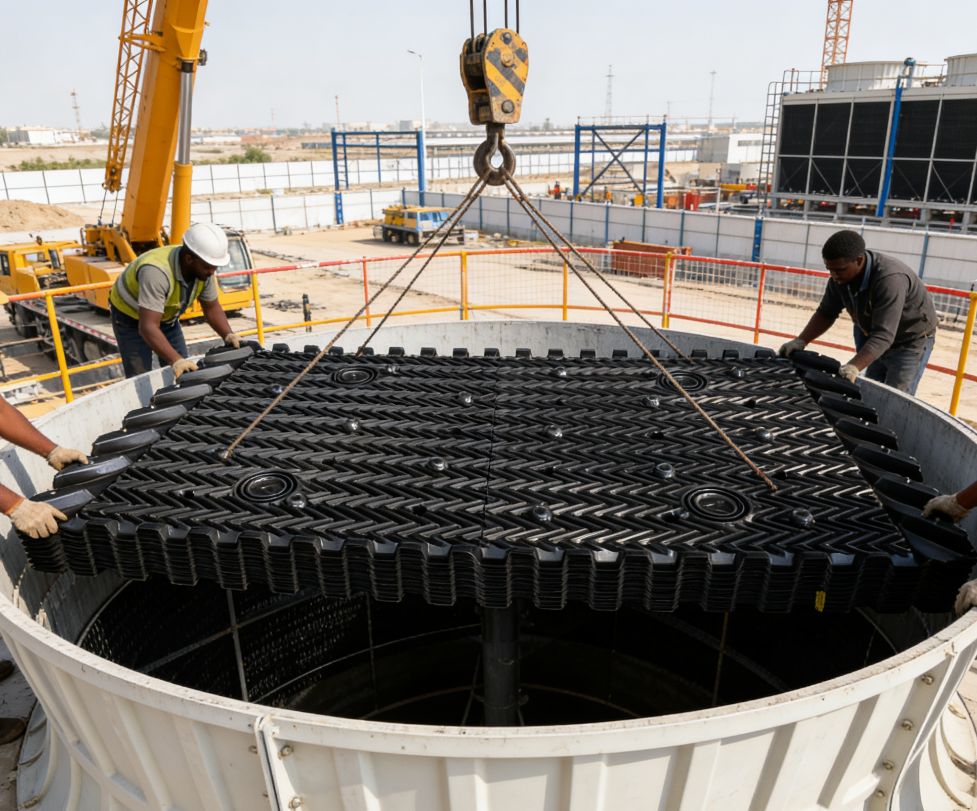
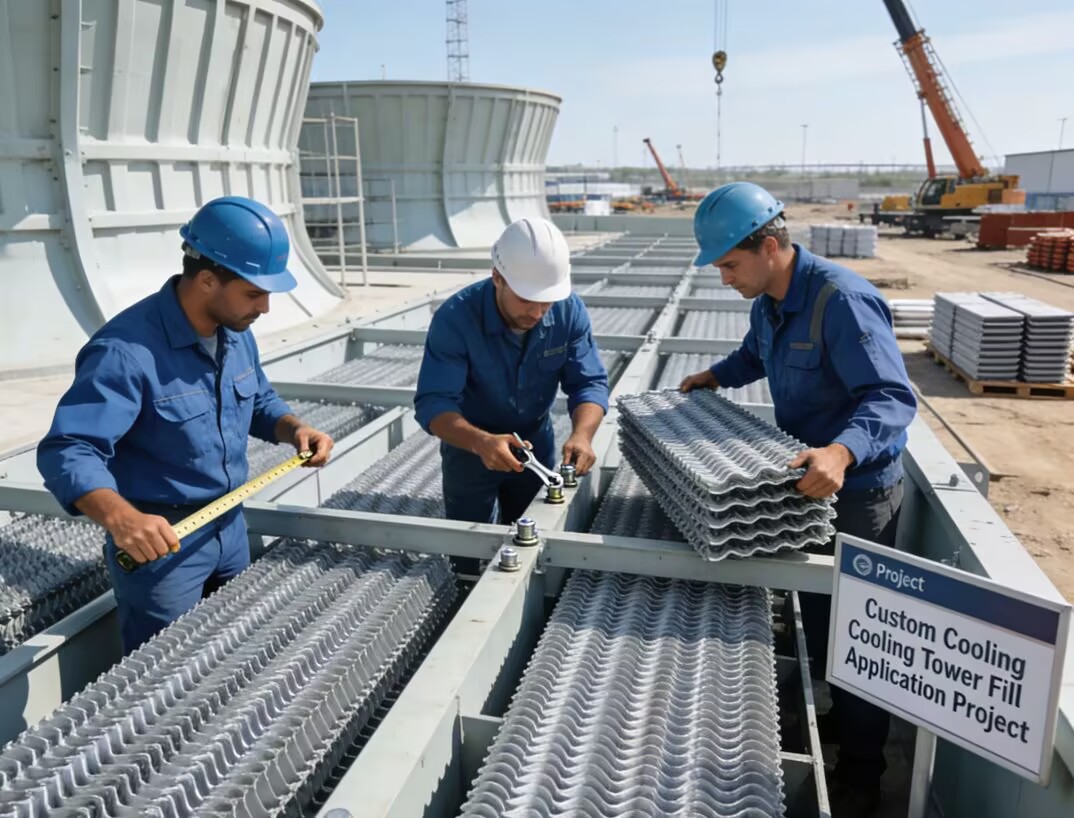
If you work with cooling towers in Japan or South Korea, you know the standards are high. These markets demand precision, reliability, and efficiency. I have supplied Cooling Tower Fill Manufacturer grade materials to semiconductor fabs, district cooling plants, and automotive factories across Tokyo, Osaka, Seoul, and Busan. Over the years, I have learned that maintenance is the secret to longevity. In this guide, I will share practical tips to keep your cooling tower fill performing like new, even in the demanding Japanese and Korean industrial environment.
Japan's cooling tower industry is mature and highly regulated. The Japan Refrigeration and Air Conditioning Industry Association (JRAIA) sets strict guidelines for fill materials and drift emissions. Many Japanese plants operate on a three-year replacement cycle for PVC fill. I have seen facilities push to five years, but the performance drop is noticeable. The key is regular inspection and cleaning.
Japanese engineers love data. They measure approach temperature weekly. If you are a plant manager in Japan, keep a log. When you see a consistent rise of 0.5°C over six months, it is time to inspect your Cooling Tower Fill. Also, pay attention to Drift Eliminator performance. Japanese environmental laws are strict on visible plumes.
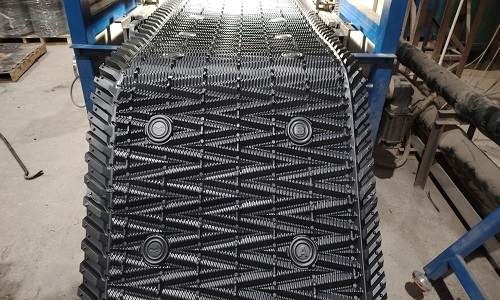
South Korea's semiconductor industry is the backbone of its economy. Fabs in Hwaseong, Pyeongtaek, and Cheonan run 24/7, and any cooling interruption is catastrophic. I have worked with several fab cooling teams, and the number one issue is water purity. Fabs use ultra-pure water, but the cooling towers often run on treated city water. That water can have trace minerals that scale fill over time.
For Korean fabs, I recommend using Film Fill Cooling Tower media with a smooth surface finish to resist scaling. Also, install side-stream filtration to keep suspended solids below 5 ppm. And do not forget Air Inlet Louvers – Korean spring dust storms can clog fill quickly.
Based on my work with Japanese and Korean clients, here is a monthly inspection checklist that works:
I also recommend a detailed annual inspection where you pull a few fill sheets and test their brittleness. If they snap easily, replace the entire fill pack.
Japan and South Korea generally have good municipal water, but industrial cooling loops can concentrate minerals. I have seen towers where the cycles of concentration reached 8-10, leading to severe calcium scaling. The solution is to control cycles and use chemical treatment. But even with good chemistry, fill eventually degrades.
For high-cycle operation, consider using Cooling Tower Media made from polypropylene. PP resists scaling better than PVC and has higher temperature tolerance. It costs more upfront, but in a high-stress application, it lasts twice as long. I have seen PP fill go eight years in a Korean steel mill while PVC failed in four.
A district cooling plant in Tokyo had 12 cooling tower cells serving a large commercial district. The original fill was ten years old, and the plant was struggling to meet peak summer loads. We replaced the fill in four cells as a trial. The new Tower Fill was a high-density film fill with 19mm flutes. Results: approach temperature dropped from 4.2°C to 2.5°C. The plant was able to reduce fan speed by 12** and still meet demand. Based on that success, they retrofitted all 12 cells over the next two years. Total annual savings: approximately ¥18 million (about $120,000 USD).
The key takeaway: even in a well-maintained Japanese plant, old fill costs money. Do not wait until you have a crisis.
One often overlooked component is the Air Inlet Grilles and Air Intake Screens. In Japan's cherry blossom season, falling petals can clog screens in days. In Korea, yellow dust does the same. I recommend installing stainless steel screens with mesh size of 1 cm or less. Clean them weekly during peak seasons. A clogged intake screen reduces airflow, making your fans work harder and reducing cooling tower capacity.
Many plant managers ask me: should I clean my fill or replace it? Here is my rule of thumb. If the fill is less than three years old and only has surface fouling, cleaning with low-pressure water and a mild acid wash can restore performance. But if the fill is over five years old, or if you see warping, cracking, or deep scaling, replace it. The labor cost of cleaning old fill often exceeds the cost of new fill, and the results are never as good.
In Japan and Korea, labor is expensive. I usually advise clients to replace rather than attempt extensive cleaning. The new Cooling Tower Fill will pay for itself in energy savings within 12-18 months.
Japan and South Korea are sophisticated markets. The engineers there know what they are doing. But even the best-maintained towers need fill replacement on a schedule. Do not fall into the trap of thinking your fill is fine just because your tower is running. Measure approach temperature, inspect annually, and replace proactively. Your energy bill will thank you.
If you need a reliable supply of high-quality cooling tower fill for the Japanese or Korean market, we have extensive experience shipping to both countries. Our materials meet JRAIA and Korean industrial standards. Reach out anytime.
We supply high-quality cooling tower fill, drift eliminators, water collectors, and intake louvers to Japanese and Korean industrial plants. Our materials meet JRAIA and Korean standards. Fast shipping from our Asian distribution centers.
Contact us for a free consultation and fill recommendation based on your water quality and operating conditions.
Contact Us Here →We are professional cooling tower fills manufacturer, which can supply wide ranges of cooling tower fills with PVC, PP or CPVC materials.
The brake oil pipes we provide have multiple monitoring certifications and complete compliance documents to help your business smoothly enter the global market.
Fully automated production line, supporting individual customization. Combined with just-in-time logistics solutions, ensuring stable inventory.
A professional foreign trade technical team provides rapid response and is a trustworthy partner, offering everything from technical Q&A to market insights.

The cooling tower fill from this company has performed reliably in our systems. We appreciate the consistent quality and noticeable efficiency improvement.
CEO & Founder

As a CEO, I value partners who deliver on their promises. Their cooling tower fill is a solid product that contributes to stable operations.
CEO & Founder

We are satisfied with the performance of this cooling tower fill. It has integrated well into our existing setup with good results.
Manager

This company provides quality cooling tower fill that meets our operational needs. It's a dependable component in our infrastructure.
CEO & Founder

We are professional cooling tower fills manufacturer, which can supply wide ranges of cooling tower fills with PVC, PP or CPVC materials.

Instant Chat Support
+8615303180686
packingesale@gmail.com
Get the latest information
Scan the code to follow
Return to the top of the page