The Role of Cooling Tower Fill in Industrial Cooling Systems
1. Introduction to Cooling Tower Fill
In modern industrial facilities, cooling towers are essential for maintaining stable operating temperatures. Industries such as power generation, petrochemical production, steel processing, and large commercial HVAC systems rely heavily on efficient cooling systems to remove excess heat from circulating water. At the heart of this cooling process lies one of the most important components of the tower — the Cooling Tower Fill, commonly known in the industry as Tower Fill, which plays a critical role in maximizing heat exchange efficiency inside the cooling tower.
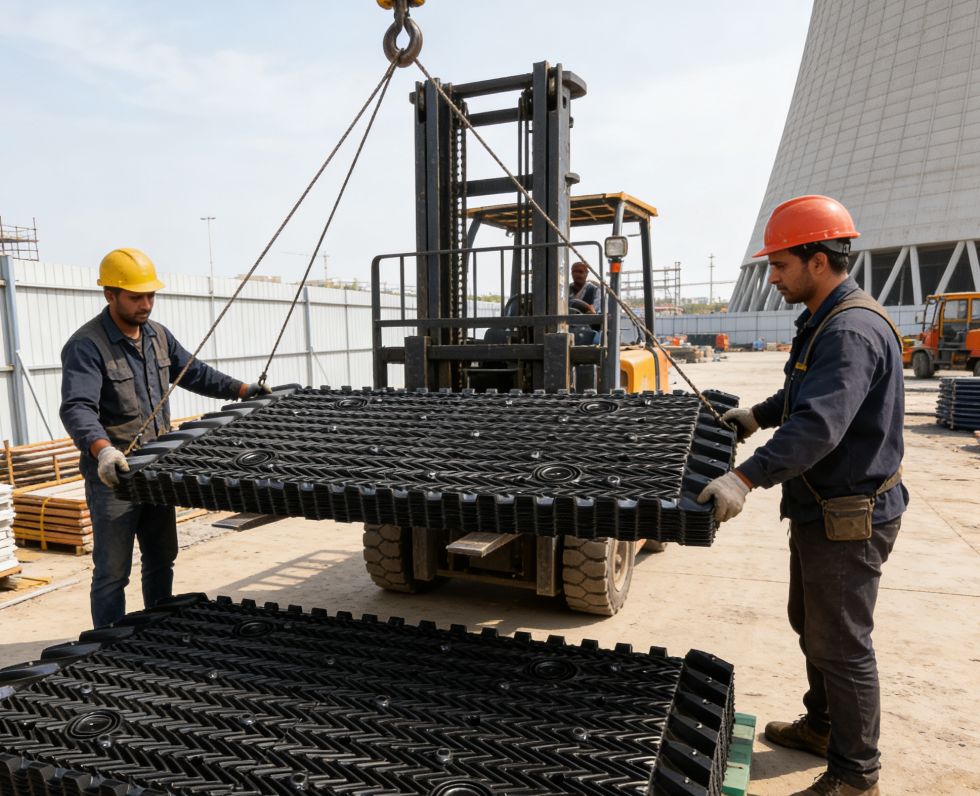
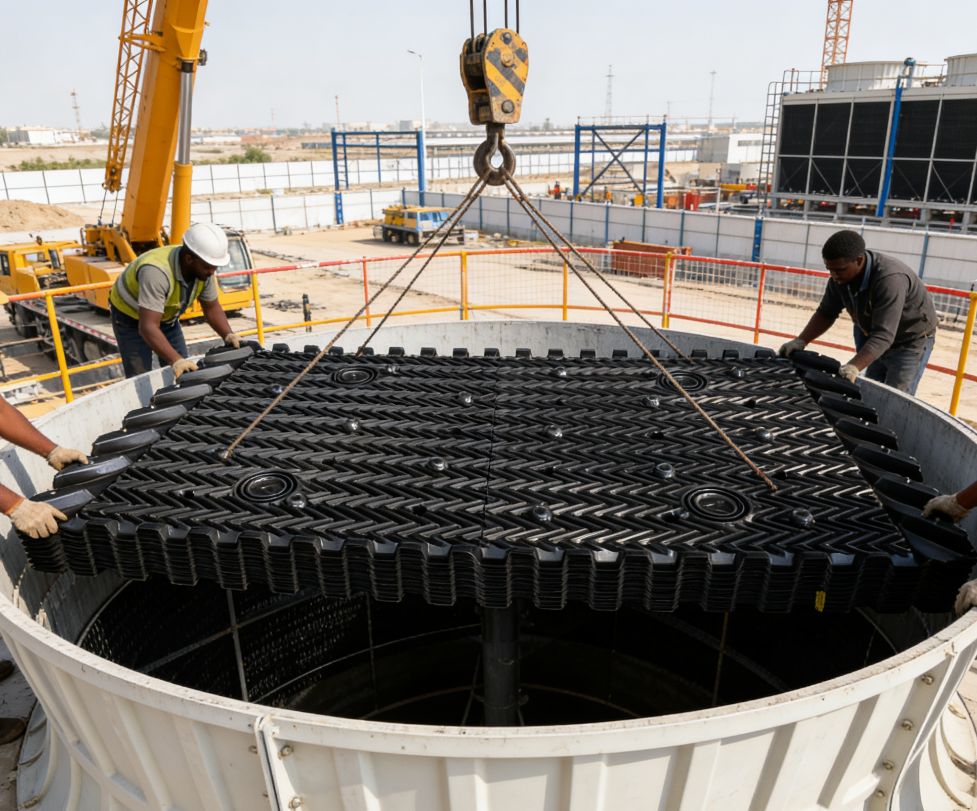
Cooling tower fill increases the contact surface between warm water and the airflow moving through the tower. By spreading water into thin layers or films, the fill allows heat to dissipate more efficiently through evaporation. Without properly designed fill media, the cooling tower would struggle to remove heat effectively.

2. Types of Cooling Tower Fill Structures
Before choosing a supplier, it is important to understand the different types of fill structures commonly used in cooling towers. One of the most widely used designs today is film-type fill, where water spreads across thin corrugated sheets. These sheets allow water to flow in a controlled film while air moves upward through the structure.
High-efficiency Film Fill Cooling Tower designs are particularly effective in industrial environments where heat loads are high and cooling efficiency is critical. The structured surfaces inside the fill create turbulence in the airflow, which improves heat transfer performance.
Another commonly used structure is splash fill, where water droplets are repeatedly broken apart as they fall through multiple layers of splash bars or grids. Each design has advantages depending on water quality, tower type, and operating conditions.
3. Cooling Tower Fill Materials and Durability
The performance and lifespan of cooling tower fill depend heavily on the materials used in its construction. High-quality fill media is typically manufactured using PVC or polypropylene because these materials offer excellent resistance to corrosion, chemical exposure, and long-term water contact.
When evaluating a manufacturer, engineers should consider whether the company uses durable raw materials and reliable production processes. Poor-quality materials may degrade over time, leading to deformation, clogging, or reduced cooling efficiency.
A reputable supplier should be able to provide consistent production quality and offer reliable Tower Fill solutions that meet industrial performance requirements.
4. Customization and Engineering Support
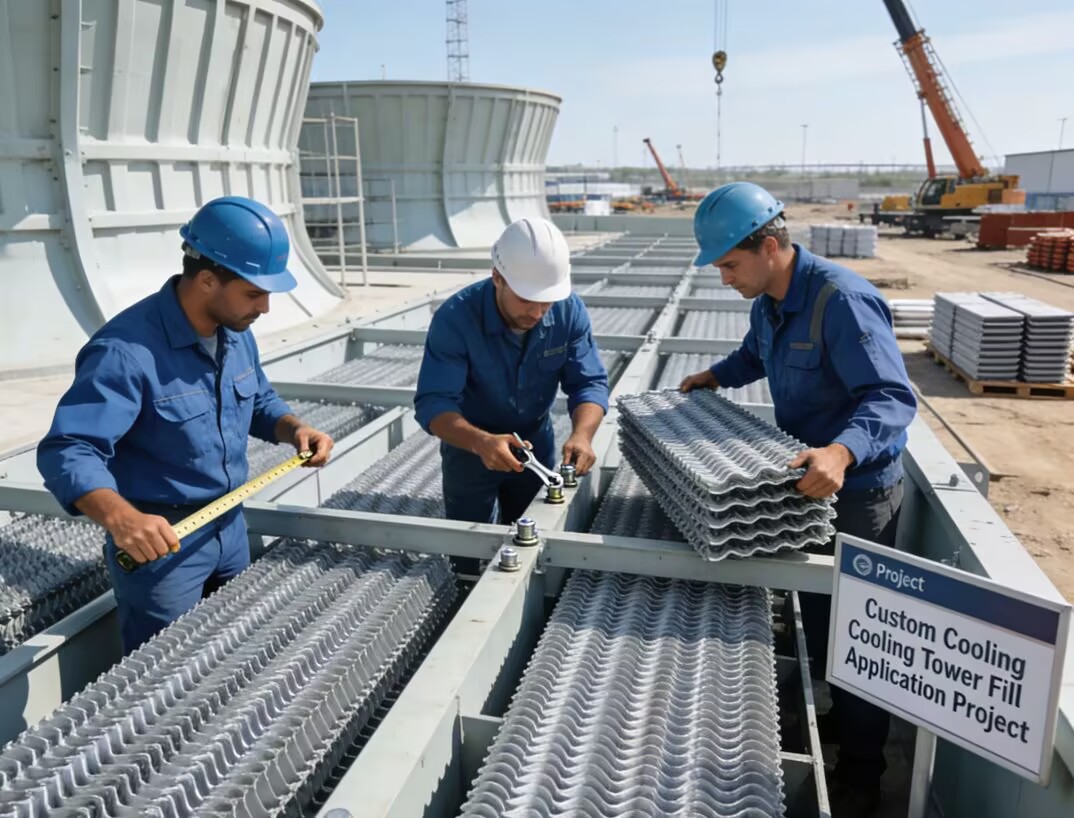
Cooling towers vary greatly in design depending on their size, airflow configuration, and water flow rates. Because of this, standard fill blocks may not always be suitable for every project. Experienced manufacturers typically provide customization options to ensure the fill media matches the specific requirements of each tower.
For example, fill height, sheet spacing, and structural design can be adjusted to optimize airflow and water distribution. Some suppliers also provide technical guidance to help engineers determine the best fill configuration for a particular cooling tower.
Advanced Cooling Tower Media designs can significantly improve cooling efficiency while maintaining stable system operation.
5. Integration with Other Cooling Tower Components
Cooling tower fill does not work alone. It is part of a larger system that includes airflow management components, water distribution equipment, and drift control devices.
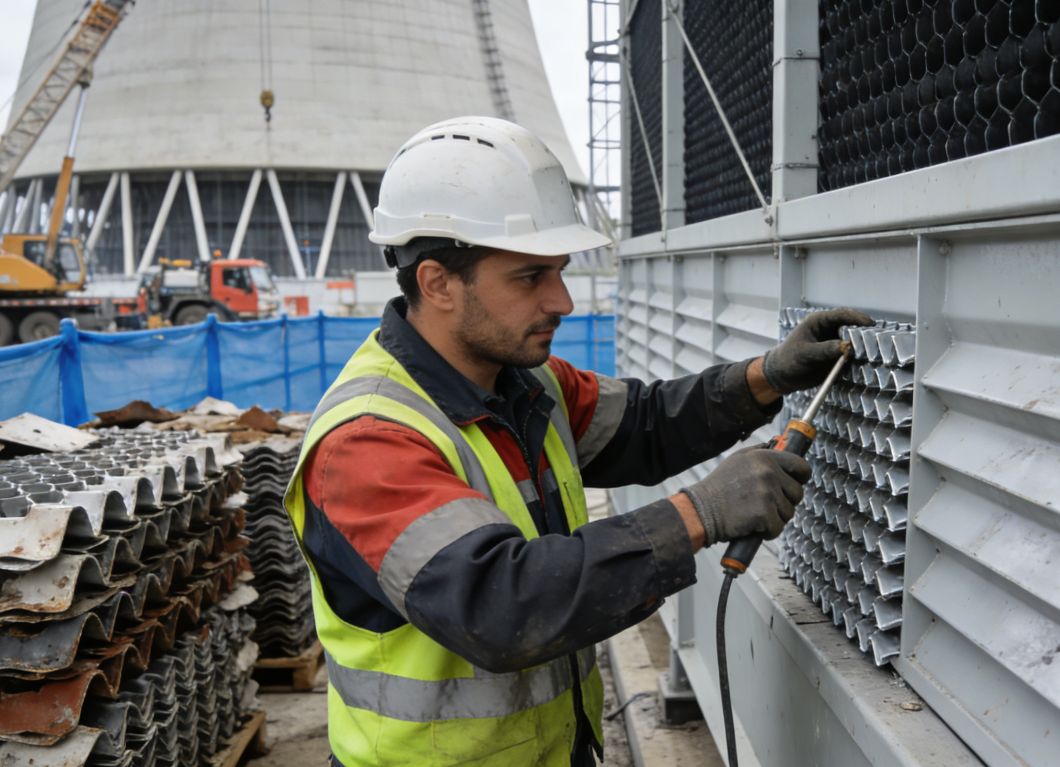
For example, drift eliminators are installed above the fill section to capture water droplets carried by airflow. A high-quality Drift Eliminator can significantly reduce water loss and improve environmental performance.
Similarly, airflow control structures such as Air Inlet Grilles help guide outside air smoothly into the tower while preventing debris from entering the cooling system.
6. Long-Term Value and Industrial Applications
Industrial cooling tower projects often operate in demanding environments, especially in regions such as Southeast Asia and the Middle East where temperatures and humidity levels are high.
While cost is always an important factor when purchasing cooling tower components, focusing solely on the lowest price may lead to problems later. Low-quality fill media may deteriorate quickly, requiring frequent replacement and causing unexpected downtime.

High-quality fill solutions often provide better long-term value through improved efficiency, longer service life, and reduced maintenance requirements.
If you are planning a cooling tower upgrade or searching for a reliable cooling tower fill manufacturer, choosing the right design and materials is essential for achieving long-term system performance.
You can send us your cooling tower drawings, fill specifications, or photos of your existing tower structure. Our engineering team will analyze the information and recommend suitable cooling tower fill solutions for your project.
Contact Us Here