Why Drift Control Matters In Industrial Cooling Towers
In many industrial facilities such as power plants, petrochemical factories, and large HVAC systems, cooling towers operate continuously to remove heat from circulating water. While most people focus on pumps, fans, or cooling tower fill, another component plays an equally important role in system performance — the drift eliminator.
During cooling tower operation, large volumes of air pass upward through the tower. As the air moves through the water distribution area and the Cooling Tower Fill, small water droplets may be carried upward with the airflow. These droplets are known as drift. Without proper control, drift can lead to significant water loss, chemical dispersion, and environmental issues around the cooling tower installation.
This is why modern cooling systems rely on high-efficiency Drift Eliminator systems to capture water droplets and return them safely back into the tower basin.
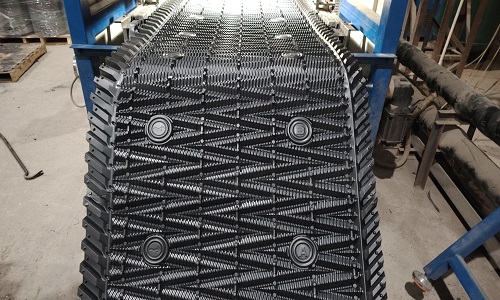
How Drift Eliminators Work Inside Cooling Towers
Drift eliminators are usually installed above the fill media and water distribution system. Their design forces the airflow to change direction multiple times as it passes through the eliminator blades. Water droplets carried by the air cannot follow these sudden directional changes due to inertia. As a result, the droplets collide with the surface of the eliminator blades and fall back into the tower.
This simple mechanical principle allows drift eliminators to reduce water loss dramatically while maintaining efficient airflow through the tower. In many modern cooling tower systems, high-quality eliminators can reduce drift loss to extremely low levels, helping improve both operational efficiency and environmental performance.
Relationship Between Fill Media And Drift Control
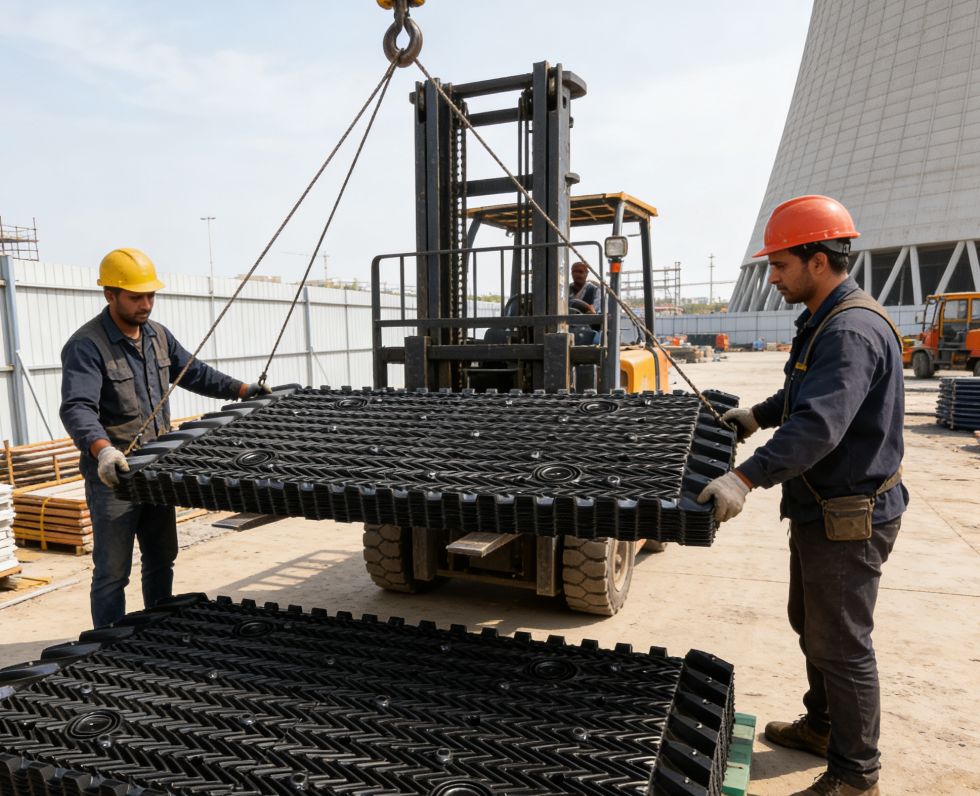
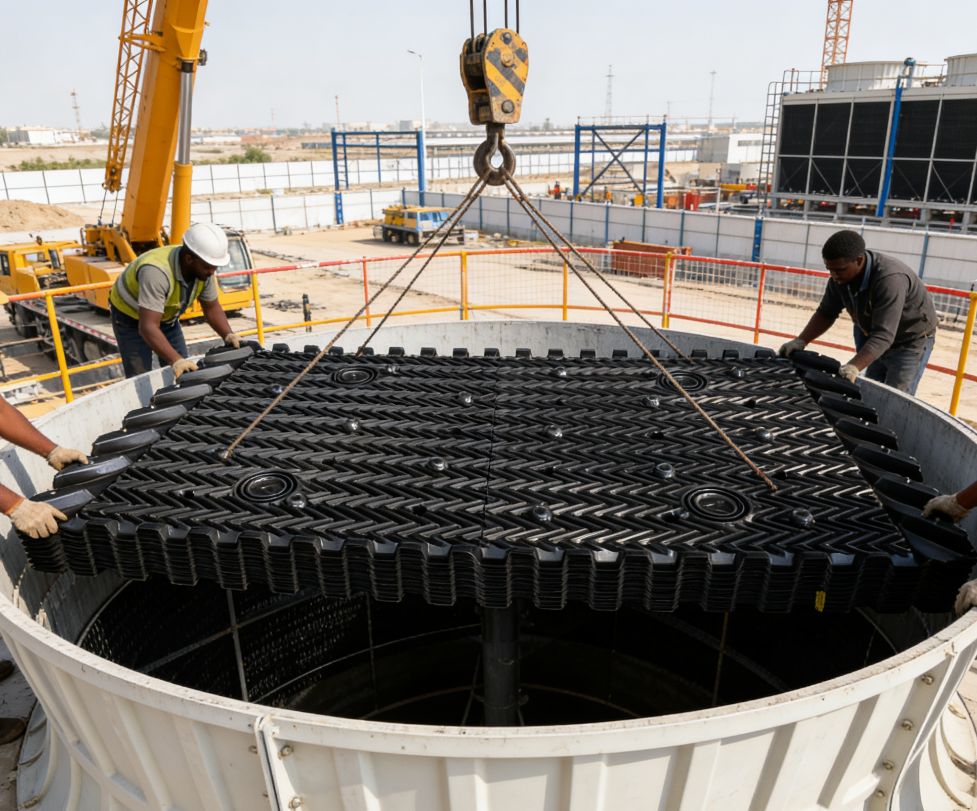
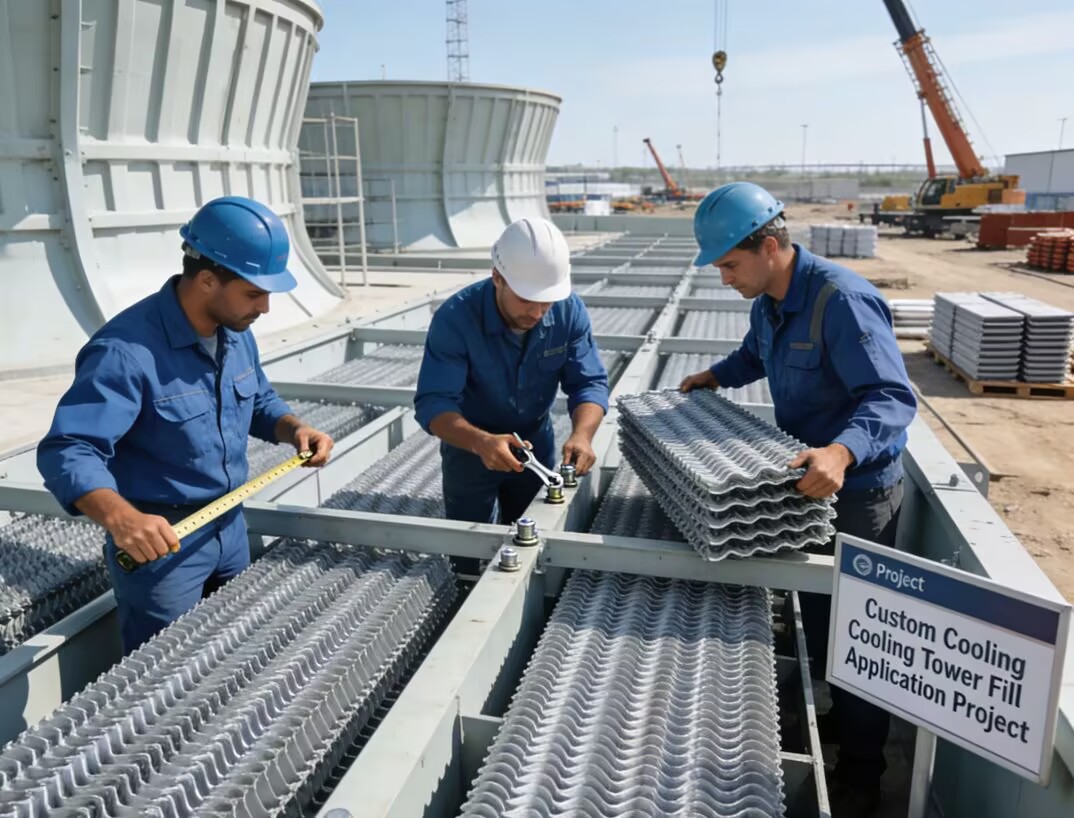
Cooling towers rely heavily on effective fill structures to increase heat exchange efficiency. For example, modern Cooling Tower Media spreads water into thin films across large surface areas. This design greatly increases the contact surface between water and air, which improves heat transfer performance.
However, when air moves upward through the fill section, small droplets can be entrained in the airflow. Installing drift eliminators above the fill section ensures that these droplets are captured before leaving the tower.
Environmental And Operational Benefits
Drift control provides several important benefits. First, it significantly reduces water consumption by preventing unnecessary water loss. Second, it helps prevent chemical drift when water treatment chemicals are used in industrial cooling systems.
Finally, efficient drift eliminators protect nearby equipment and surrounding areas from moisture accumulation, which could otherwise cause corrosion or operational issues.
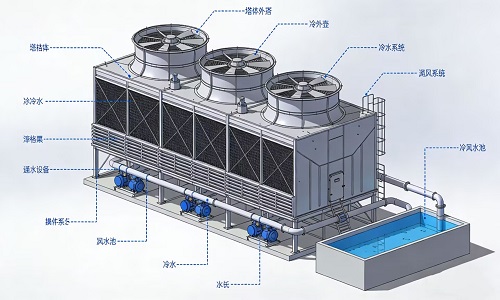
Supporting Components In Cooling Tower Systems
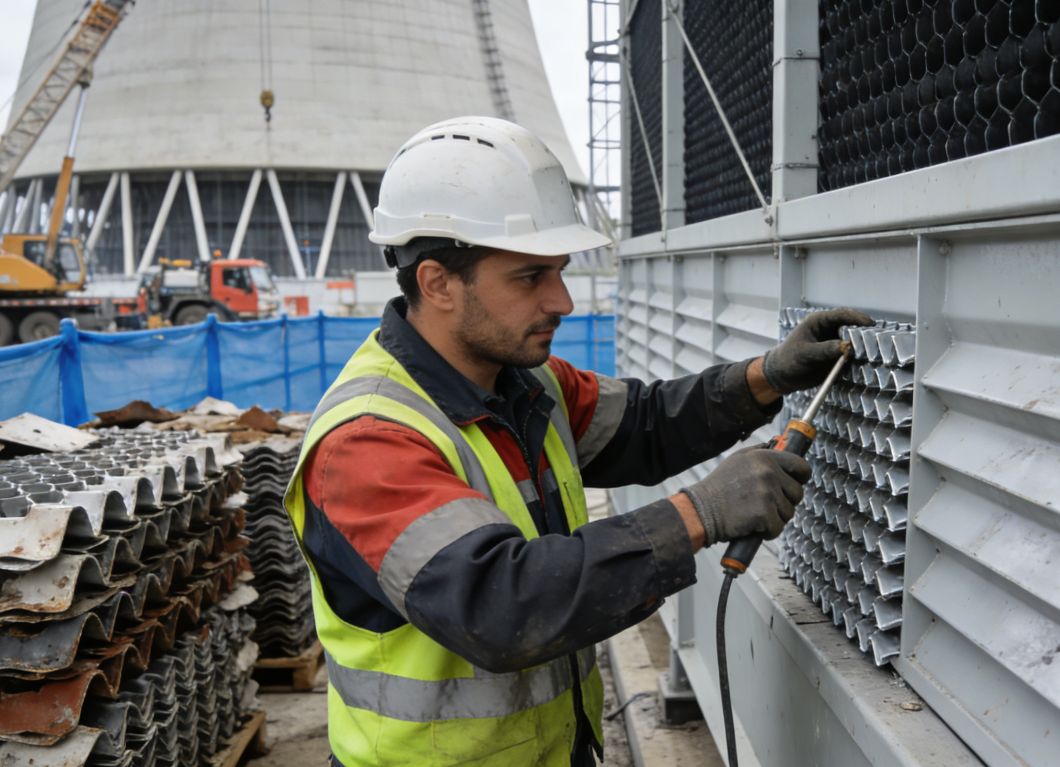
Efficient cooling tower operation also depends on airflow management. Components such as Air Inlet Louvers help guide outside air into the tower while preventing debris from entering the system. Proper airflow ensures that the entire cooling tower structure operates efficiently.
When fill media, drift eliminators, and airflow systems work together correctly, cooling towers can achieve reliable performance for many years of industrial operation.
If you are upgrading an existing cooling tower or designing a new industrial cooling system, choosing the right drift eliminator is essential for reducing water loss and improving environmental performance.
You can send us your cooling tower drawings, dimensions, or photos. Our engineering team will review the details and recommend suitable eliminator designs for your project.
Contact Us Here