If you operate a cooling tower in Thailand, you need to understand the TISI 2134-2565 standard. This regulation, which establishes Minimum Energy Performance Standards (MEPS) for industrial air conditioners and related cooling equipment, has significant implications for cooling tower operations[reference:5]. I have been helping facilities in the Eastern Economic Corridor get ahead of these requirements, and the most common question I hear is: "What does this mean for my cooling tower fill?" The short answer is that Tower Fill upgrades are one of the most cost-effective ways to achieve compliance while reducing operating costs. Let me break down everything you need to know.
The standard mandates MEPS for industrial cooling equipment. For new permits, your cooling system must meet higher energy efficiency benchmarks[reference:6]. This applies to both new facilities and major retrofits. If you are applying for any new industrial permit in Thailand, your cooling towers will be scrutinized.
But here is what many plant managers do not realize: the standard is not just about the chiller or the cooling tower as a standalone unit. It considers the entire cooling system efficiency. That means if your cooling tower fill is old and fouled, causing your chiller to work harder, you might fail the MEPS test even if your chiller itself is new and efficient.
The Thailand Clean Air Act also came into effect in 2026, adding another layer of compliance[reference:7]. This act focuses on air quality and emissions, including drift from cooling towers. If your tower is producing visible mist plumes, you could face fines. This is where high-efficiency Drift Eliminator becomes not just a good idea but a regulatory requirement.
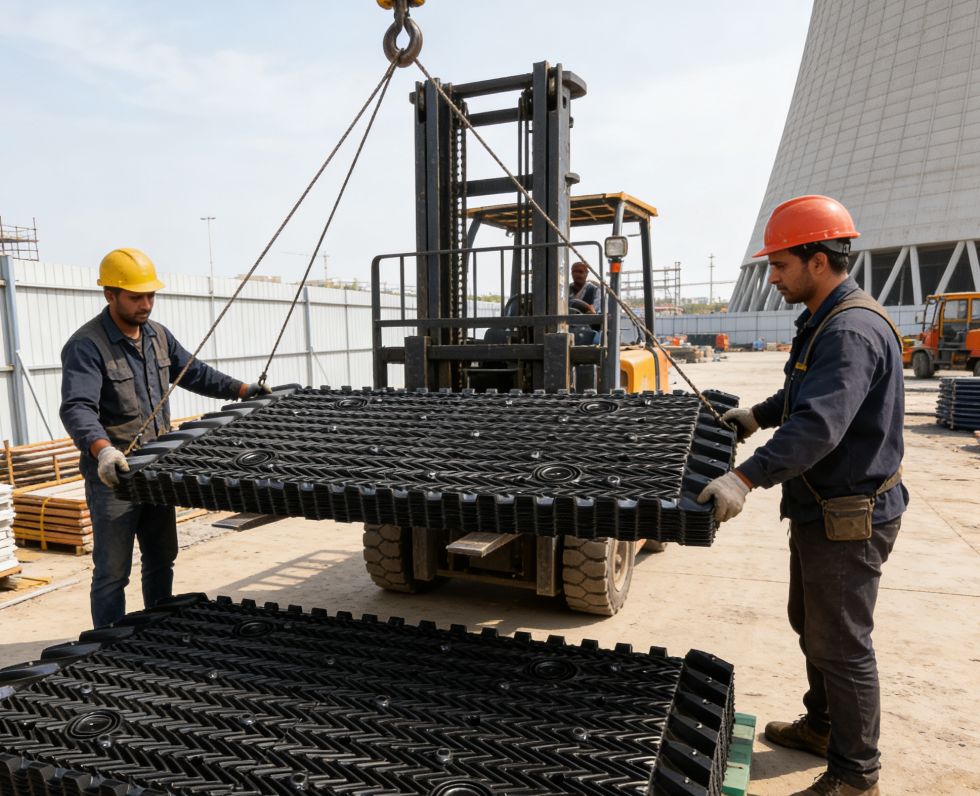
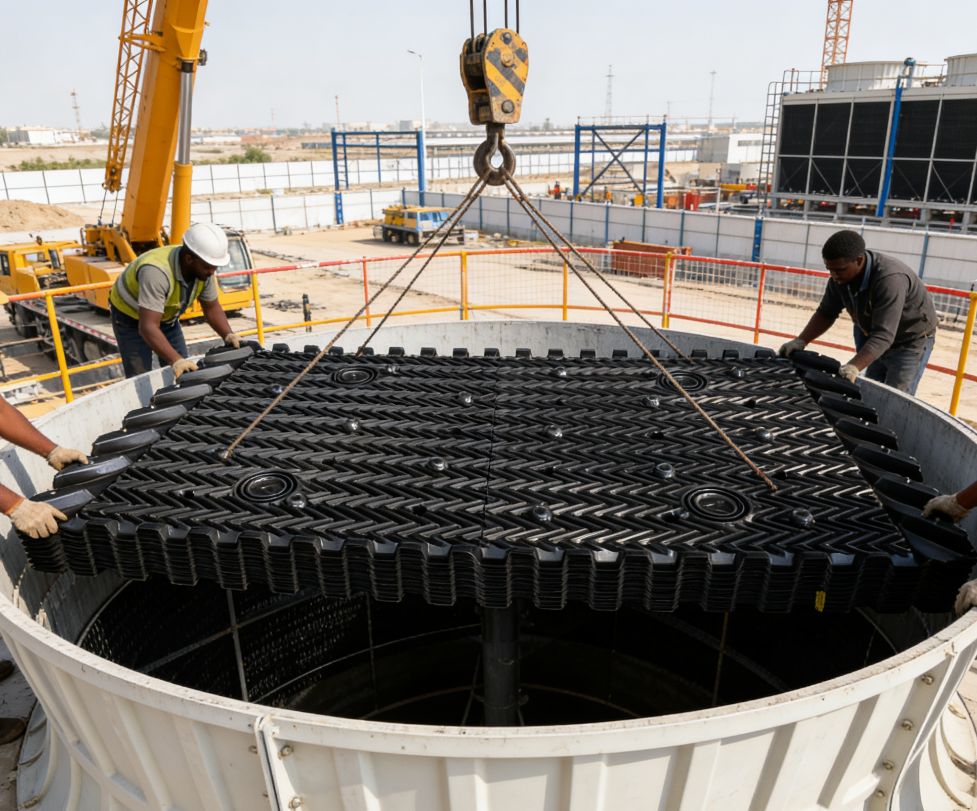
The cooling tower fill is the heart of your tower's heat transfer capability. Old, fouled, or degraded fill reduces heat transfer efficiency, which means your chiller has to work harder to reject the same amount of heat. That increases your system's overall energy consumption, which directly impacts your MEPS score.
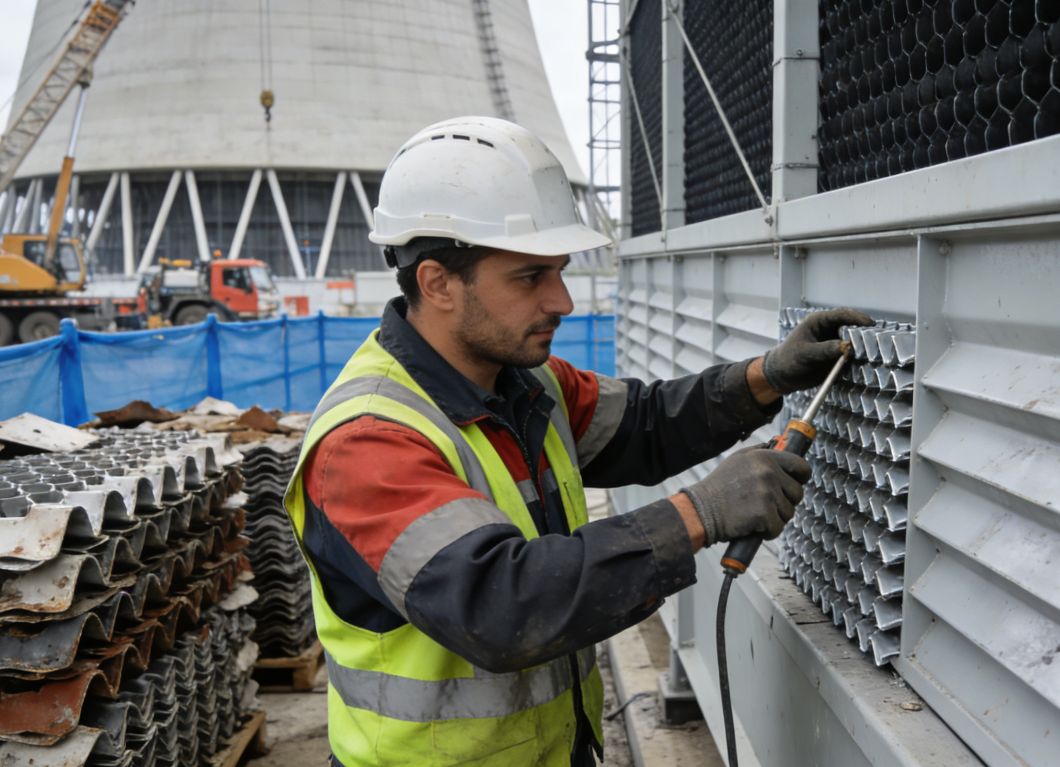
I recently assessed a food processing plant in Chonburi that was applying for an expansion permit. Their cooling tower fill was seven years old, and approach temperature had risen from design 3.5°C to 5.8°C. The energy consultant flagged the cooling tower as a non-compliance risk. We replaced the fill with new Film Fill Cooling Tower media and added new Water Collector sections. Approach temperature dropped to 3.2°C, and the plant passed its MEPS assessment. The fill paid for itself in energy savings within 10 months.
The Southeast Asia cooling market is the fastest-growing of its kind in the world. Analysts project the market value will reach $25.41 billion by late 2026, driven by a CAGR of 6.9**[reference:8]. Thailand is a major part of that growth, with new industrial parks and data centers coming online across the country.
This growth means more competition for energy and water resources. The Thai government is using MEPS standards to manage that demand. Facilities that invest in efficient cooling now will have a competitive advantage over those that wait until the last minute.
While MEPS focuses on energy, the Thailand Clean Air Act and local water regulations are also tightening. Water scarcity is a real issue in parts of Thailand, especially in the Eastern Economic Corridor during dry season. Cooling towers are significant water users, and regulators are paying attention.
Upgrading your Demister and drift eliminators is one of the fastest ways to reduce water consumption. I have seen facilities cut makeup water requirements by 25-35** just by replacing old eliminators with modern high-efficiency units. That is water savings that directly improve your facility's sustainability metrics.
Also, consider your Air Inlet Louvers. Proper louvers prevent debris from entering the tower, which reduces fouling and extends fill life. In Thailand's agricultural areas, rice husk and other plant debris can be a major problem. Good louvers with fine mesh screens are essential.
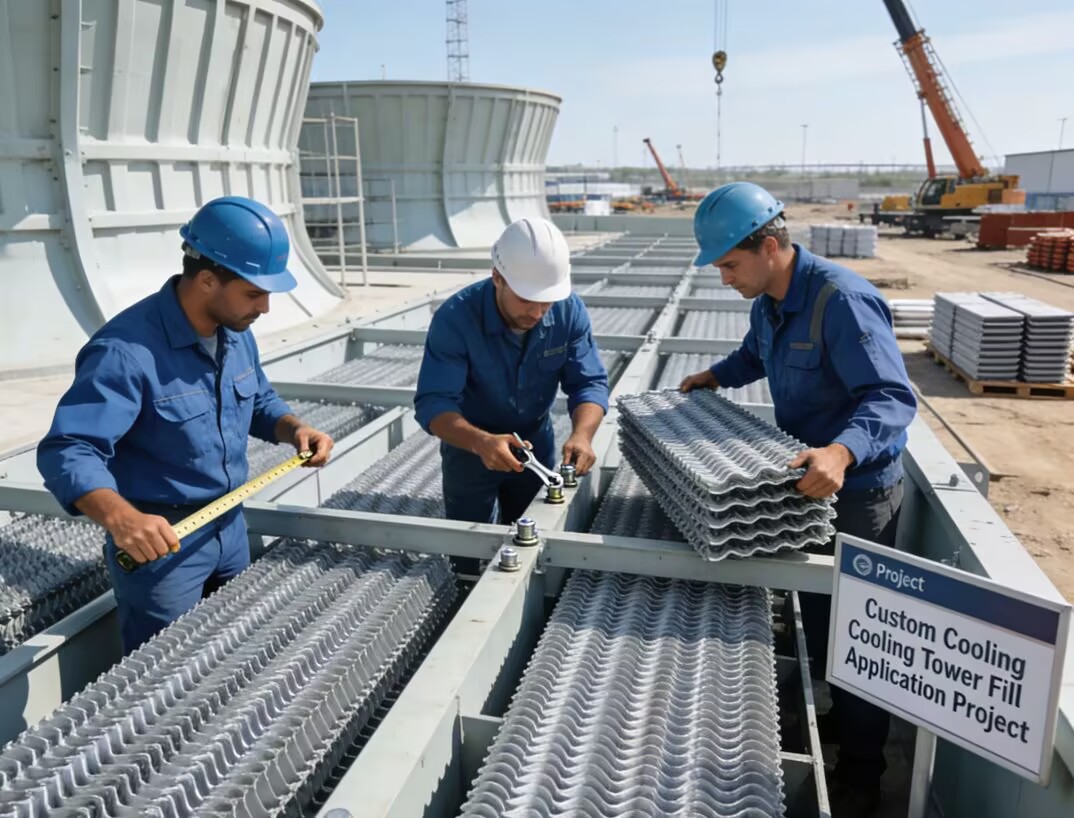
An automotive assembly plant in Rayong was facing a MEPS compliance deadline for a new production line. Their existing cooling towers had 6-year-old fill that was heavily scaled from hard water. We performed a complete fill replacement over a two-week shutdown, using high-efficiency film fill with 19mm flutes. We also installed new Air Intake Screens to prevent future debris ingress.
The results: approach temperature improved from 5.5°C to 2.8°C. The plant passed its MEPS assessment with room to spare. Annual energy savings were estimated at ฿1.2 million (about $35,000 USD), with an additional ฿400,000 in water savings from reduced drift. The total project cost was ฿1.5 million, giving a payback period of just over one year.
If you are a plant manager in Thailand, here is my advice:
Do not wait until you are applying for a permit to discover your cooling tower is non-compliant. By then, you will be in a rush, paying premium prices for emergency work. Proactive maintenance and upgrades are always cheaper.
Looking ahead, I expect Thai MEPS standards to become more stringent over time. The trend globally is toward tighter energy efficiency regulations, and Thailand is following that path. My recommendation is to build a five-year cooling tower maintenance and upgrade plan that includes scheduled fill replacement every 3-4 years.
Also, consider investing in monitoring technology. IoT sensors that track approach temperature, fan power, and water flow can alert you to performance degradation before it becomes a compliance issue. Some of the facilities I work with in Thailand are now using real-time monitoring to optimize their cooling tower operation, and the results are impressive – typically 5-10** additional energy savings beyond what you get from good maintenance alone.
We have extensive experience helping Thai facilities meet MEPS requirements with cost-effective cooling tower fill upgrades. Contact us for a free compliance assessment.
We understand TISI 2134-2565 and the Thailand Clean Air Act requirements. Our cooling tower fill and drift eliminator products are designed to help you achieve compliance while reducing operating costs.
Contact us for a free compliance assessment and fill recommendation.
Contact Us Here →We are professional cooling tower fills manufacturer, which can supply wide ranges of cooling tower fills with PVC, PP or CPVC materials.
The brake oil pipes we provide have multiple monitoring certifications and complete compliance documents to help your business smoothly enter the global market.
Fully automated production line, supporting individual customization. Combined with just-in-time logistics solutions, ensuring stable inventory.
A professional foreign trade technical team provides rapid response and is a trustworthy partner, offering everything from technical Q&A to market insights.

The cooling tower fill from this company has performed reliably in our systems. We appreciate the consistent quality and noticeable efficiency improvement.
CEO & Founder

As a CEO, I value partners who deliver on their promises. Their cooling tower fill is a solid product that contributes to stable operations.
CEO & Founder

We are satisfied with the performance of this cooling tower fill. It has integrated well into our existing setup with good results.
Manager

This company provides quality cooling tower fill that meets our operational needs. It's a dependable component in our infrastructure.
CEO & Founder

We are professional cooling tower fills manufacturer, which can supply wide ranges of cooling tower fills with PVC, PP or CPVC materials.

Instant Chat Support
+8615303180686
packingesale@gmail.com
Get the latest information
Scan the code to follow
Return to the top of the page