Why Corrugated Cooling Tower Fill Is Widely Used In Industrial Cooling Systems
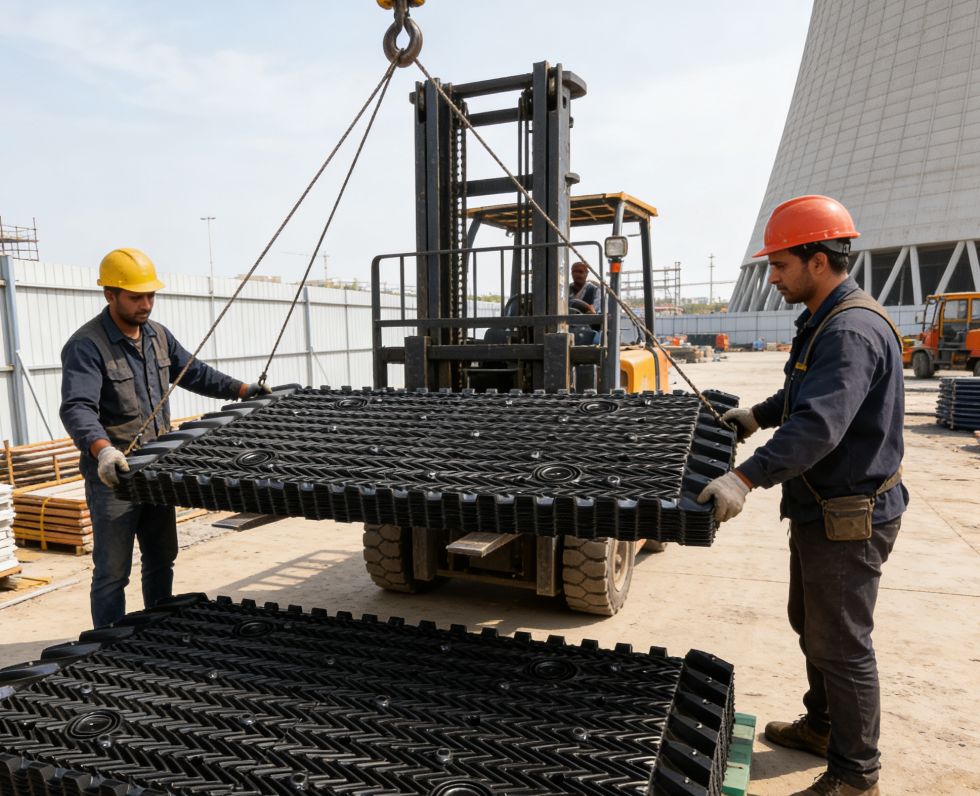
In many industrial cooling systems, the internal packing structure inside a cooling tower plays a crucial role in determining overall cooling performance. While pumps, fans, and water distribution systems all contribute to system efficiency, the component that directly affects heat exchange is the tower packing material. One widely used solution is corrugated Cooling Tower Fill.
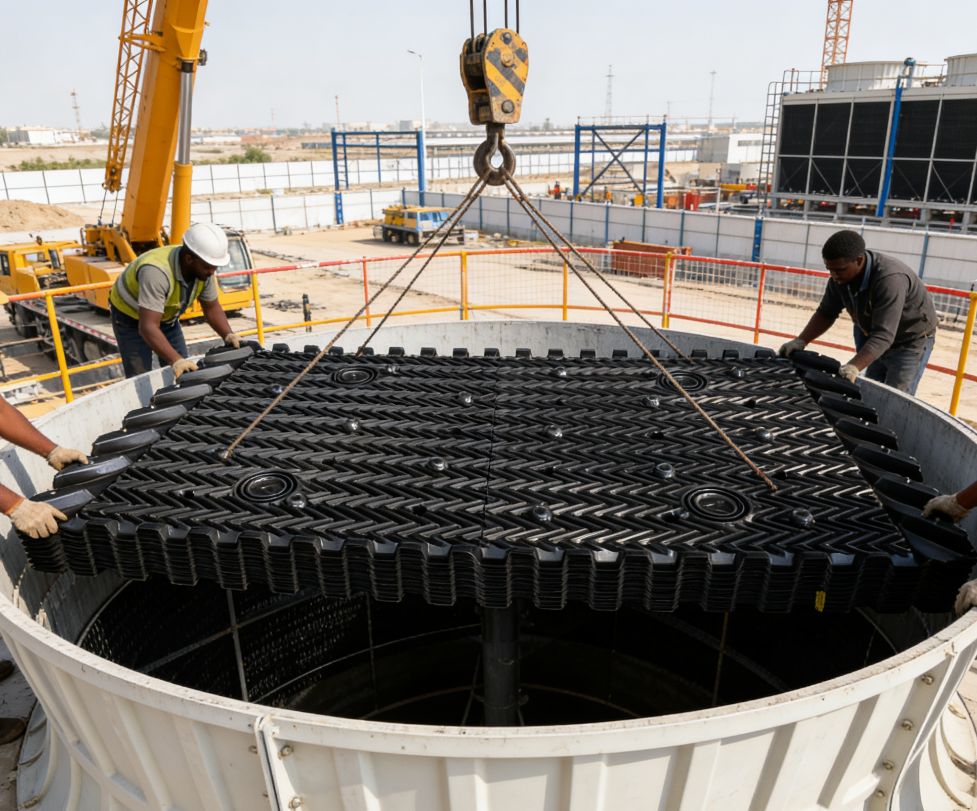
Corrugated cooling tower fill is designed to increase the contact surface between water and air. When warm circulating water flows through the structured sheets, it spreads into thin layers that allow air to remove heat through evaporation. This design greatly improves the efficiency of heat exchange inside the tower.
How Corrugated Fill Improves Heat Transfer

The structure of corrugated fill consists of thin sheets arranged in a wave-like pattern. These sheets create channels that guide both water and airflow inside the cooling tower. As water flows downward across the surface of the sheets, it forms thin water films which significantly increase the heat exchange surface.
At the same time, air moves upward through these channels, creating turbulence that improves the interaction between air and water. Because of this increased interaction, heat is transferred more efficiently from water to air.
This structure allows corrugated Tower Fill to achieve high cooling efficiency while maintaining stable airflow resistance.
Advantages Of Modern Cooling Tower Media
Modern Cooling Tower Media is typically manufactured from durable PVC materials. PVC provides strong resistance to corrosion and chemical exposure, which makes it suitable for long-term use in cooling tower environments.
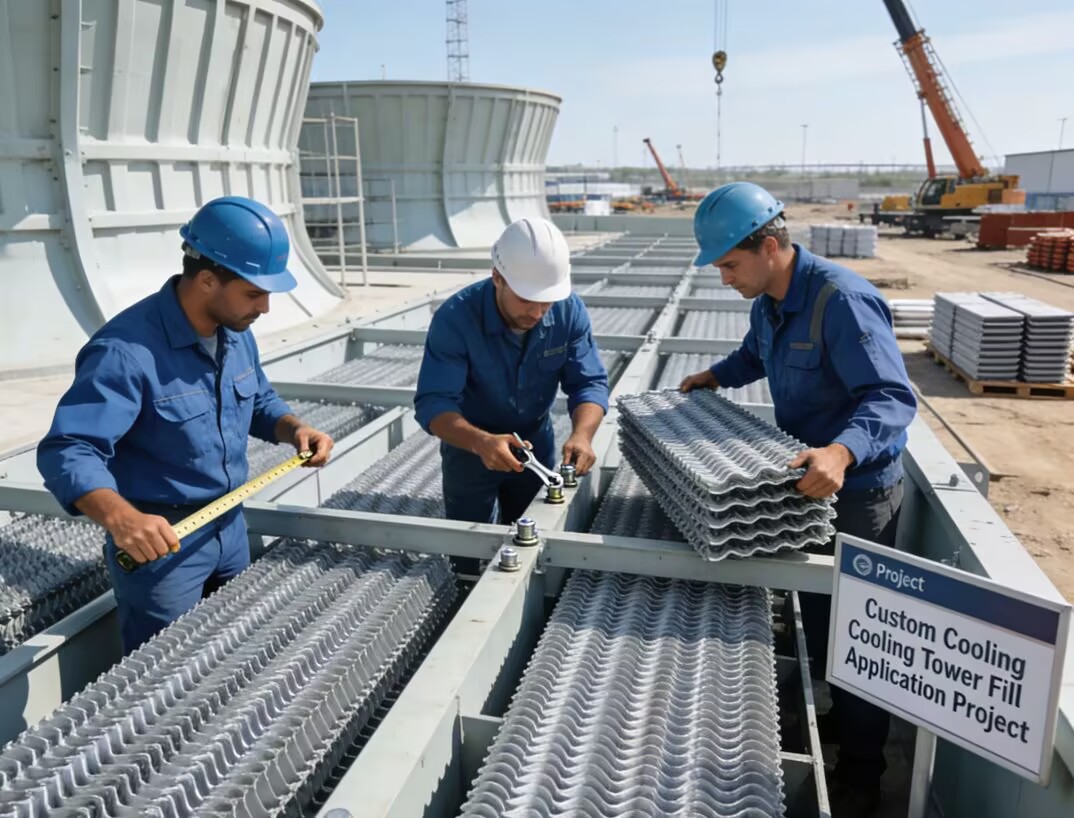
Another advantage of corrugated fill is its lightweight structure. Because the material is lightweight yet strong, installation and maintenance are easier compared to traditional heavy packing materials.
In addition, optimized sheet spacing helps maintain stable airflow and prevents clogging caused by scale or biological growth.
Integration With Other Cooling Tower Components
While fill media performs the main heat exchange function, other cooling tower components are equally important for maintaining system efficiency. For example, installing a high-efficiency Mist Eliminator above the fill section helps capture water droplets carried by airflow.
Mist eliminators prevent excessive water loss and reduce moisture escaping from the tower. At the same time, air intake systems such as Air Intake Screens help keep debris and dust from entering the cooling tower.
When these components work together with efficient corrugated fill media, cooling towers can maintain stable performance even in demanding industrial environments.

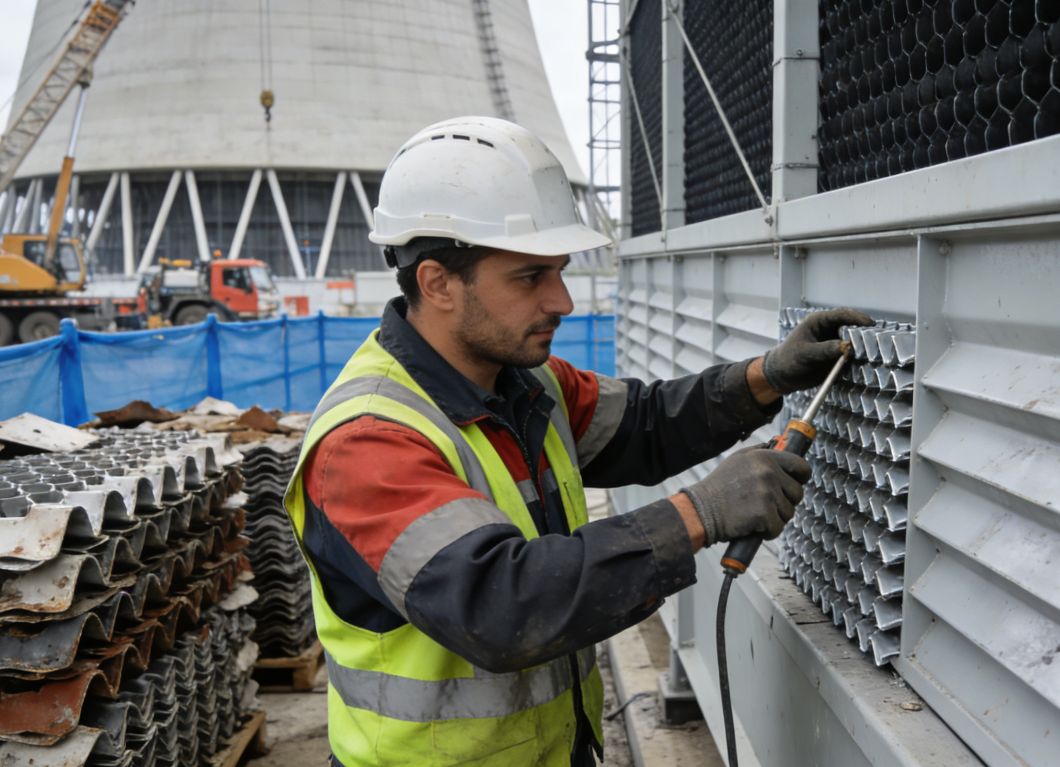
Cooling Tower Fill Replacement In Industrial Facilities
Over time, cooling tower packing materials may become clogged due to scale buildup, algae growth, or sediment accumulation. When this occurs, airflow resistance increases and cooling performance decreases.
For many industrial facilities, replacing old packing with modern corrugated fill materials is one of the most cost-effective ways to restore cooling tower efficiency. Upgrading the fill structure often results in improved heat transfer performance and reduced system energy consumption.
Because of these advantages, corrugated cooling tower fill is widely used in industries such as power generation, petrochemical processing, manufacturing plants, and HVAC cooling systems.