If you do not understand cycles of concentration, you are wasting water and money. I have walked into plants where the cooling tower was running at 1.5 cycles – meaning they were dumping almost as much water as they evaporated. Simple changes to water treatment and blowdown management could have cut their water bills in half. This guide explains makeup water treatment and cycles of concentration for High-Efficiency Cooling Tower Media users in plain language, based on what I have seen in the field.
Cycles of concentration is the ratio of dissolved solids in your cooling tower water compared to your makeup water. Here is a simple example: start with 2 gallons of water. Evaporate 1 gallon. The remaining gallon has twice the amount of dissolved solids – so the COC is 2. Add 1 gallon of makeup water, evaporate another gallon. The remaining gallon now has three times the original solids – COC is 3[reference:19]. As COC increases, your system uses less water, but you risk scaling and corrosion.
The single most important key performance indicator for cooling tower water conservation is cycles of concentration[reference:20]. Makeup water may need to be softened to prevent scale formation in the cooling tower system. Scale acts like insulation[reference:21]. Soft water also allows the cooling tower to operate at higher cycles of concentration, resulting in less frequent blowdown.

Typical recirculating cooling towers consume 3-4 liters of makeup water per kilowatt-hour of electricity produced[reference:22]. Increasing COC from 2 to 4 cuts blowdown in half. Increasing COC from 2 to 10 cuts blowdown by about 87**[reference:23]. Let me put that in real numbers. I worked with a chemical plant that was running at 3 cycles. Their annual makeup was 18 million gallons. By improving water treatment and raising COC to 8, they cut makeup to 11 million gallons – a 39** reduction worth $65,000 annually. The water treatment upgrades cost $25,000, paying back in five months.
Three things stop you from running higher cycles: scaling, corrosion, and biological growth. As water concentrates, calcium and magnesium hardness can precipitate as scale on your cooling tower fill and heat exchangers. Higher chloride and sulfate levels increase corrosion risk for metal components[reference:24]. And higher nutrient concentrations accelerate biological growth, including Legionella.
The better your makeup water quality – lower total dissolved solids, suspended solids, and corrosiveness – the higher COC you can achieve[reference:25]. If your makeup is hard, you have three mitigation options: chemical treatment (scale inhibitors and dispersant polymers), mechanical pretreatment (water softeners or reverse osmosis), or material upgrades (polypropylene fill instead of PVC, stainless steel for wetted parts)[reference:26].
A coordinated cooling tower chemical program blends four types of chemicals: scale inhibitors (phosphonates and polymers), corrosion inhibitors (azoles for copper, molybdate or zinc for steel), biocides (oxidizing and non-oxidizing), and dispersants[reference:27]. The specific blend depends on your makeup water and metallurgy. A documented case of a coordinated program in an automotive plant slashed corrosion rates to microns per year and boosted cycles of concentration from about 2 to 10, cutting annual makeup from 17.8 million gallons to 10.8 million gallons (a 40** reduction) and saving about $79,000 per year[reference:28][reference:29].
Biocides work together with scale and corrosion inhibitors to optimize cooling system performance[reference:30]. Good engineering practices also minimize system dead legs and reduce cooling tower drift[reference:31]. For biological control, common biocides include chlorine, bromine, and non-oxidizing biocides like isothiazolinones and quaternary ammonium compounds[reference:32].
A power plant in Texas was struggling with high water costs. Their makeup water had high hardness, limiting cycles to 3.5. They implemented a softening system and a coordinated corrosion inhibitor blend including HEDP, molybdate, zinc, and polymers. Controlled trials pushed carbon steel corrosion below 0.025 mm per year[reference:33]. They increased cycles to 8.5, cut makeup water by 44**, and saved $210,000 annually. The softening system paid for itself in 18 months.
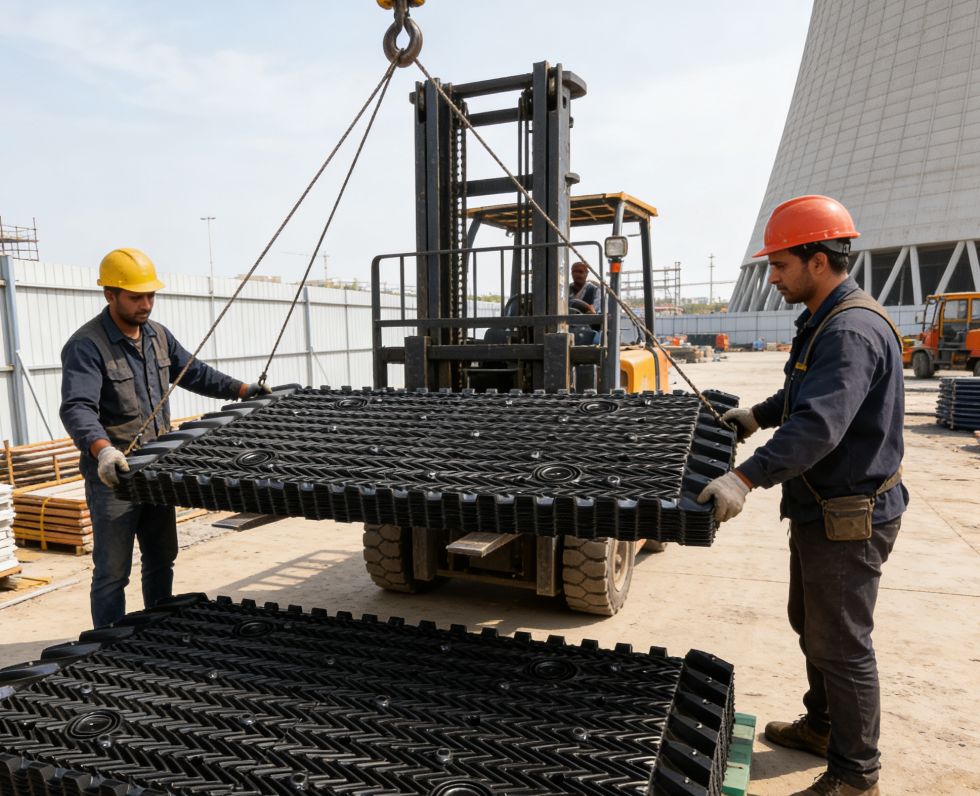
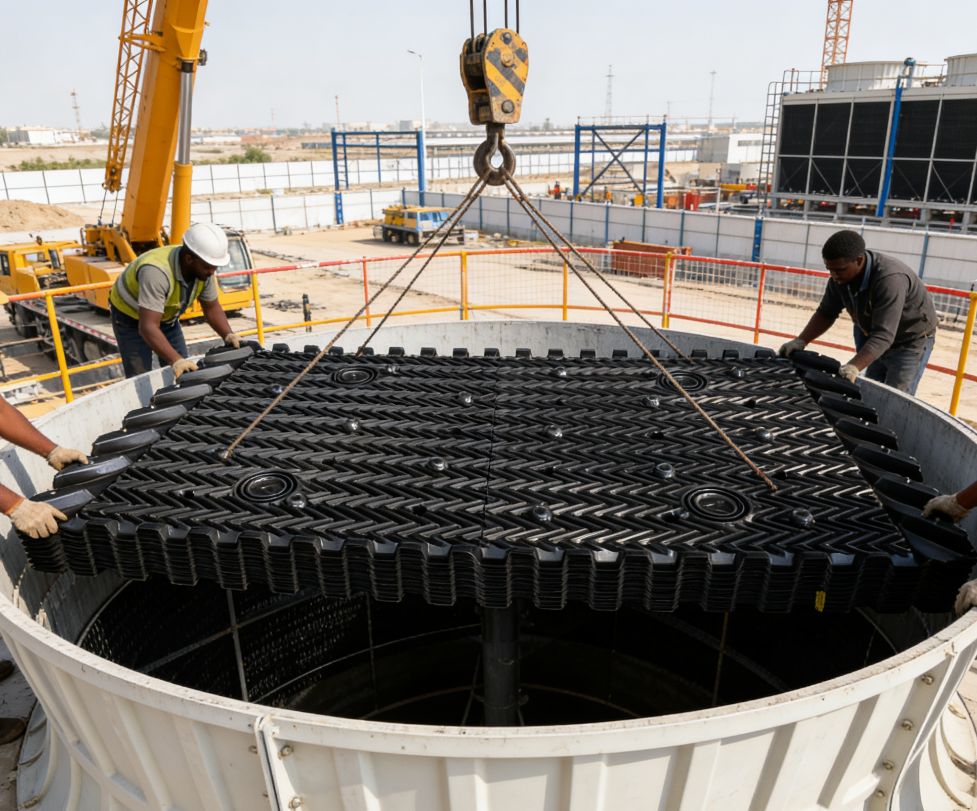
Your cooling tower fill choice directly affects how high you can run cycles. Standard PVC fill is less tolerant of scale and requires lower cycles. Polypropylene fill can handle higher cycles because it resists scaling and chemical attack. If you want to push cycles above 6, I recommend upgrading to polypropylene fill. The additional cost is quickly offset by water savings.
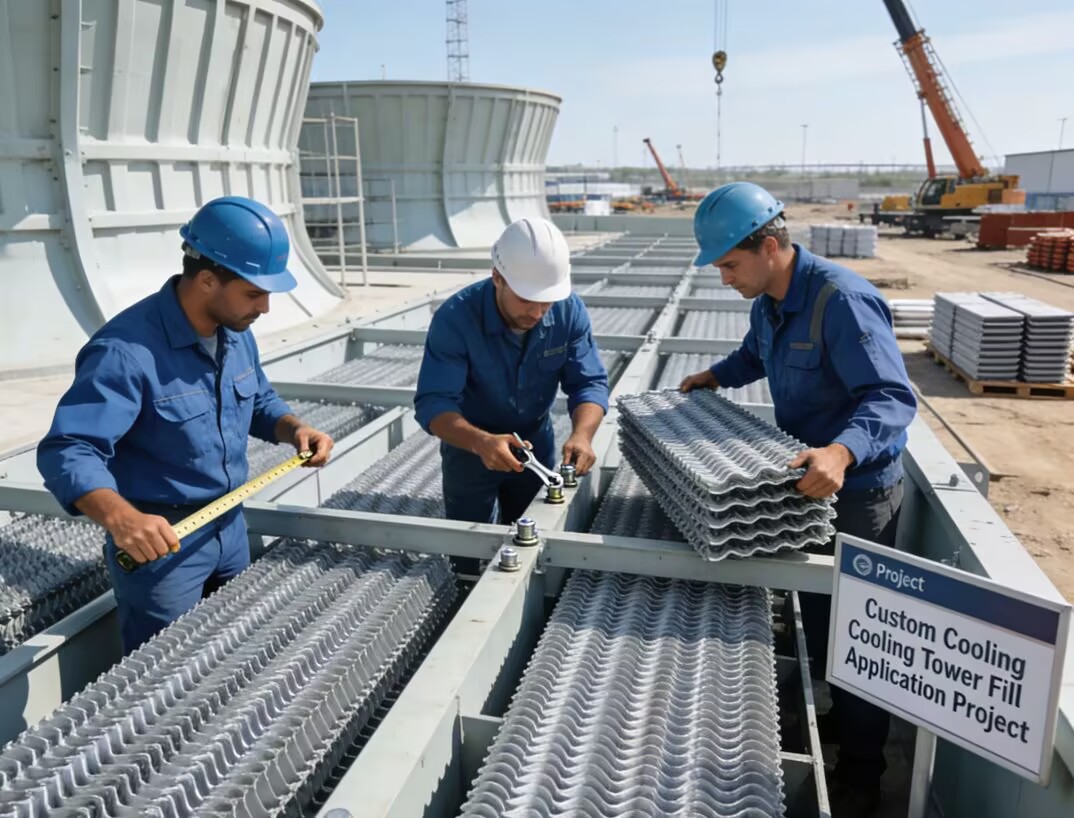
Also, consider fill design. Wide-flute fill (25mm spacing) is more tolerant of scale than tight-flute fill (12-16mm). Wide flutes resist clogging when mineral deposits form. If your water tends to scale, choose wider spacing even if it means a slightly larger tower.
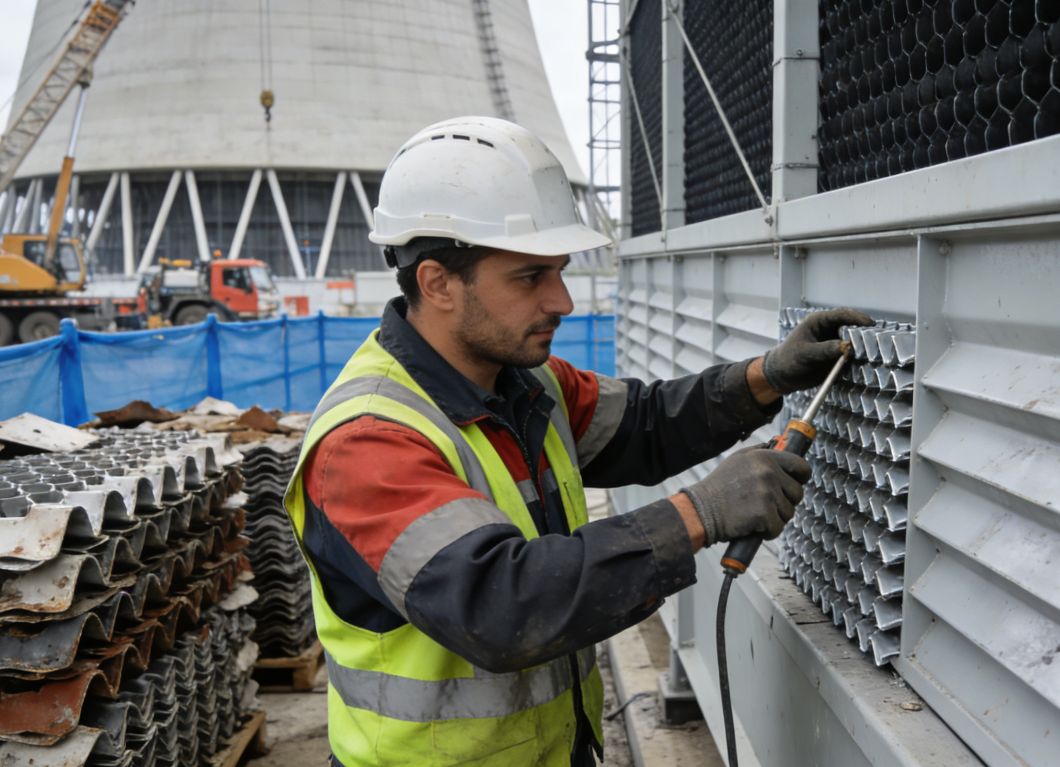
Here is what I recommend based on successful implementations. First, conduct a full water analysis. Know your hardness, alkalinity, chlorides, sulfates, and silica. Second, set a target COC based on your makeup quality. For average municipal water, aim for 4-6 cycles. For soft water or reverse osmosis makeup, you can push to 8-12. Third, install automatic conductivity control. Manual blowdown is almost always inconsistent. An automated system with conductivity setpoint will maintain your target COC continuously. Fourth, monitor scale potential with Langelier Saturation Index (LSI) daily. If LSI exceeds 1.5, take corrective action. Finally, inspect your cooling tower fill quarterly for signs of scaling. If you see white deposit, adjust your treatment or reduce COC.
Water softeners can increase cycles of concentration from approximately 2 to 4, but rarely allow leaps to 10 COC[reference:34]. For larger increases, consider reverse osmosis or partial softening blending[reference:35].
Cycles of concentration is not complicated, but it requires attention to detail. A small investment in water treatment and monitoring pays back in weeks, not years. If you need help optimizing your tower's cycles, we can help. We have seen it all and can recommend a program that fits your water quality and budget.
We can help you optimize cycles of concentration and reduce makeup water consumption. Free water analysis and savings calculation. No obligation, just good engineering advice.
Contact Us Here →We are professional cooling tower fills manufacturer, which can supply wide ranges of cooling tower fills with PVC, PP or CPVC materials.
The brake oil pipes we provide have multiple monitoring certifications and complete compliance documents to help your business smoothly enter the global market.
Fully automated production line, supporting individual customization. Combined with just-in-time logistics solutions, ensuring stable inventory.
A professional foreign trade technical team provides rapid response and is a trustworthy partner, offering everything from technical Q&A to market insights.

The cooling tower fill from this company has performed reliably in our systems. We appreciate the consistent quality and noticeable efficiency improvement.
CEO & Founder

As a CEO, I value partners who deliver on their promises. Their cooling tower fill is a solid product that contributes to stable operations.
CEO & Founder

We are satisfied with the performance of this cooling tower fill. It has integrated well into our existing setup with good results.
Manager

This company provides quality cooling tower fill that meets our operational needs. It's a dependable component in our infrastructure.
CEO & Founder

We are professional cooling tower fills manufacturer, which can supply wide ranges of cooling tower fills with PVC, PP or CPVC materials.

Instant Chat Support
+8615303180686
packingesale@gmail.com
Get the latest information
Scan the code to follow
Return to the top of the page