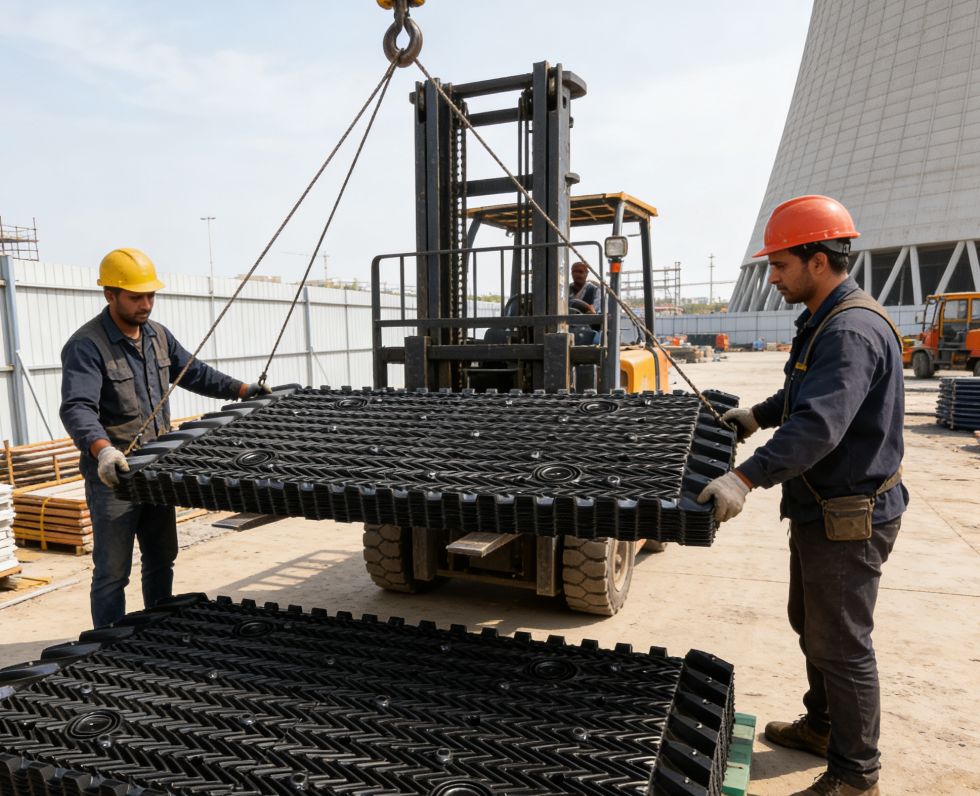
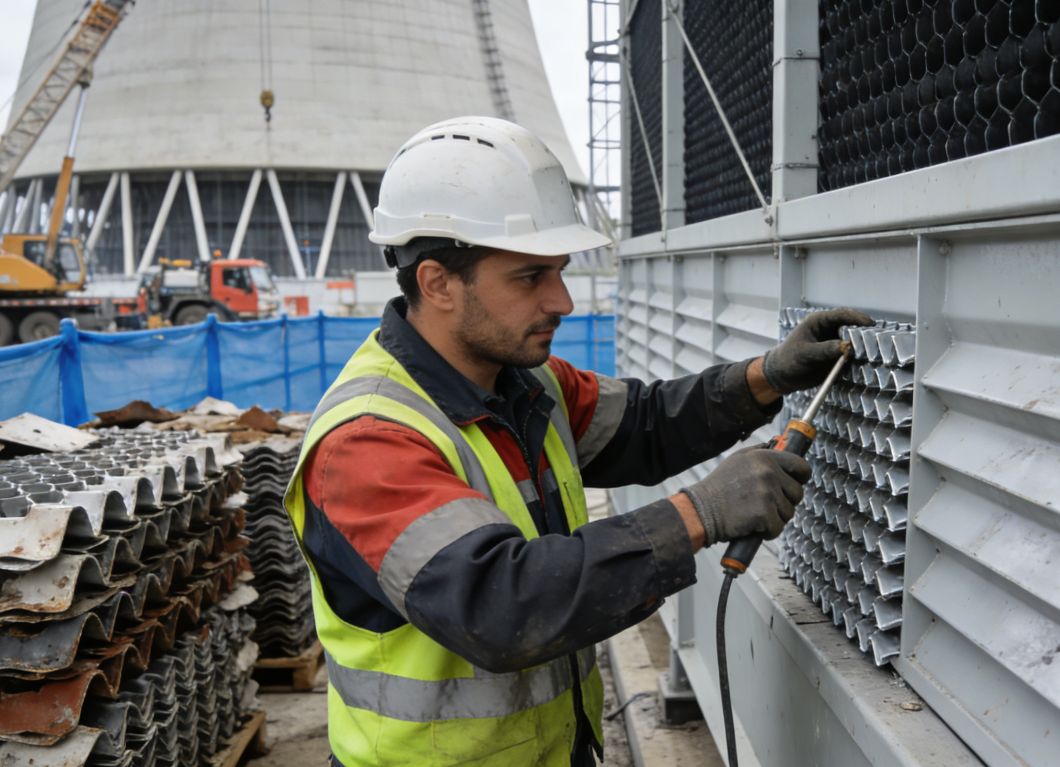
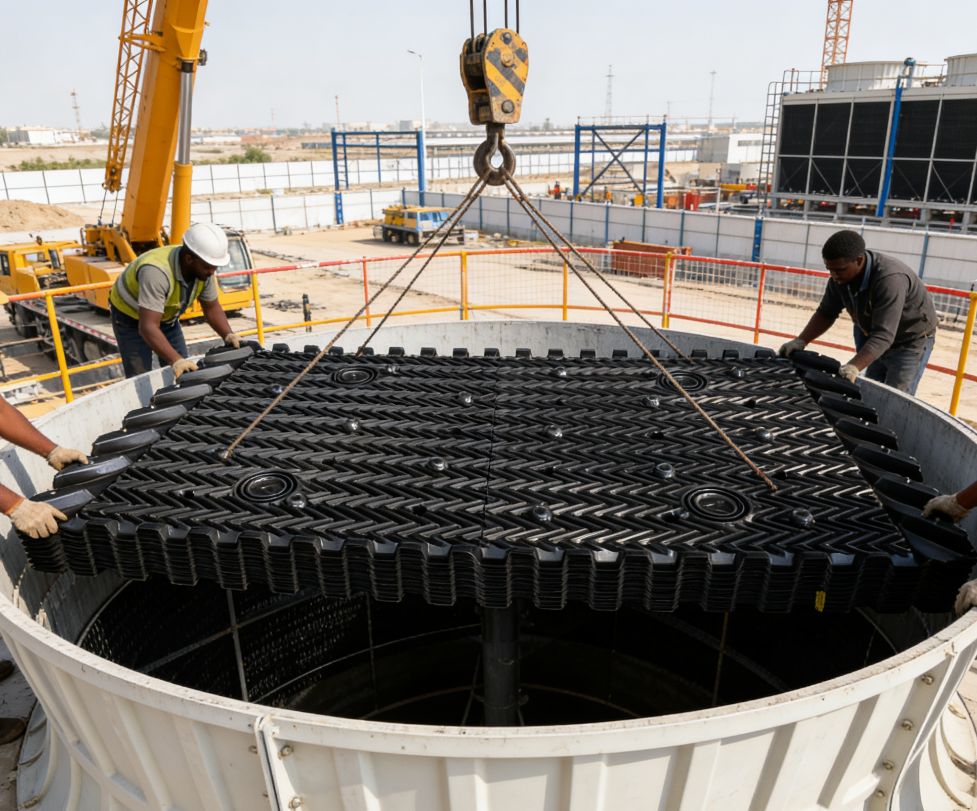
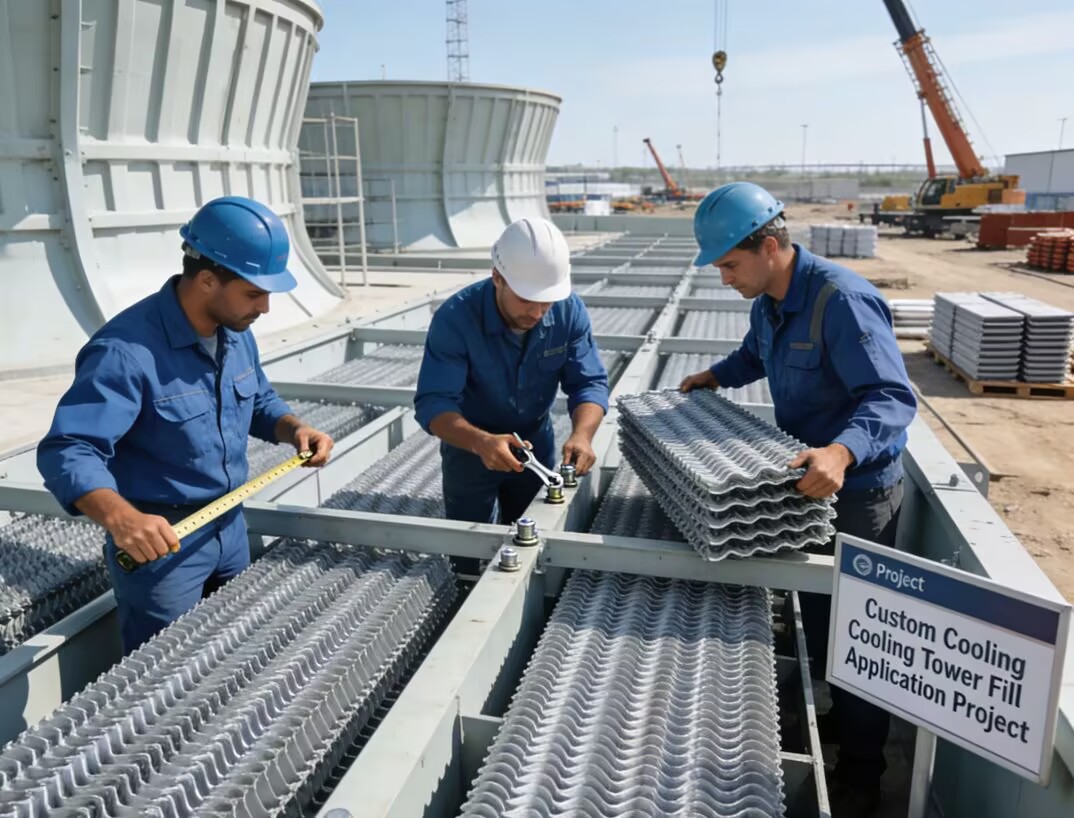
If you operate a cooling tower, Legionella compliance is not optional in 2026. ASHRAE Standard 188 now establishes minimum legionellosis risk management requirements for building water systems, and many states and municipalities have adopted it as enforceable regulation[reference:54]. Facilities with cooling towers must develop and implement written water management plans, conduct routine testing, and maintain comprehensive records[reference:55]. For Cooling Tower Fill Manufacturer and accessory components like low-drift eliminators, meeting these standards is essential for safe operation.
New York City Local Law 159 of 2025 increases the required frequency of Legionella monitoring in cooling towers. Beginning in 2026, facilities must incorporate monthly Legionella culture testing during cooling tower operation, and reinforce expectations for structured, documented water management programs[reference:56]. New Jersey Senate Bill S2188 requires certain facilities – including hospitals, hotels, senior living facilities, high-rises, and buildings with cooling towers – to implement ASHRAE 188-aligned water management plans, with a compliance deadline of September 12, 2026[reference:57].
These are not suggestions. They are legal requirements with civil penalties for non-compliance. Let me walk you through what you need to do to bring your cooling tower into compliance and how cooling tower fill and related components factor into the requirements.
Compliance rests on four core elements. First, a written Water Management Plan (WMP) specific to your facility, including all cooling towers. The plan must identify control measures, monitoring locations, corrective actions, and responsible personnel. ASHRAE Standard 188 and CDC guidelines require every facility with a cooling tower to maintain a written plan backed by documented inspection and treatment records[reference:58].
Second, routine Legionella culture testing. ASHRAE Standard 188-2018 requires testing at a frequency defined in the facility's water management plan, with quarterly testing being the widely accepted minimum for commercial cooling towers[reference:59]. State regulations now mandate cooling tower registration, water management programs based on ASHRAE Standard 188, and routine Legionella culture sampling. Legionella culture sampling must be conducted at minimum every 90 days[reference:60][reference:61]
Third, automated chemical feed and monitoring. Automated chemical feed systems with continuous monitoring are the recommended approach per ASHRAE Guideline 12, as manual testing alone cannot prevent chemistry drift. Without automated scheduling, the interval is managed manually against paper calendars[reference:62]. Automated systems maintain consistent biocide levels and notify staff of deviations.
Fourth, documented inspection and maintenance of cooling tower components – fill, drift eliminators, basin, nozzles, and intake louvers. This is where cooling tower fill and eliminator condition directly affect compliance. Fouled fill and damaged eliminators increase the risk of Legionella aerosolization and can invalidate your water management plan.
Drift eliminators are one of the most critical components for Legionella risk management. Drift – the fine water droplets that escape from the fan stack – can carry Legionella bacteria directly into air intakes and populated areas. High-efficiency drift eliminators reduce drift loss to 0.0005** or less, cutting the number of viable bacteria that can escape the tower. Past CTI testing, certification, and listing focus on open-circuit and closed-circuit cooling towers, dry fluid coolers, and now adiabatic pad-type fluid coolers[reference:63]. For Legionella control, specify eliminators with tested drift rates and documented performance.
Key requirements for eliminators in Legionella-sensitive applications include drift rate documentation: request certified drift test results at your design air velocity and make sure eliminators are installed correctly without gaps – use seals between sections, oriented properly with airflow arrows. Inspect eliminators quarterly. Look for sagging, missing blades, or debris buildup. Replace damaged sections immediately. Any gap is a drift path.
Fouled cooling tower fill creates conditions that promote Legionella growth. Scale and biofilm on fill surfaces provide nutrients and shelter for bacteria. The larger the surface area of fouled fill, the larger the potential reservoir of bacteria. Cooling tower maintenance checklist requirements include inspecting fill for biological growth. Perform periodic Legionella risk assessments. Adhere to ASHRAE 188, the CDC Toolkit, and local health regulations. Maintain complete records of treatment and testing[reference:64]
If your fill is heavily fouled, you may need to clean it (or replace it if cleaning is not sufficient). New fill with smooth surfaces resists biofilm formation better than old, roughened fill. When specifying new fill, ask about anti-microbial options. Some manufacturers offer fill treated with silver or copper ions to inhibit biological growth. However, anti-microbial fill is not a substitute for good water treatment.
New Jersey S2188 compliance deadline is September 12, 2026[reference:65]. Water management programs must include routine Legionella testing conducted by certified labs[reference:66]. New York City Local Law 159 requires monthly Legionella culture testing during cooling tower operation beginning in 2026[reference:67]. Facilities must keep monthly records of test results and any corrective actions taken. Many other states and cities are adopting similar requirements. Illinois, California, and Texas have pending legislation. Check with your local health department.
Facilities without documented ASHRAE 188-compliant plans may face fines, shutdown orders, or liability in the event of an outbreak. The International Mechanical Code now references ASHRAE 188, making it enforceable even in jurisdictions that have not passed specific state laws[reference:68].
Review your water management plan to ensure includes cooling tower fill and drift eliminators as control points. Check your testing frequency to increase to monthly testing if required in your jurisdiction. Install automated chemical feed, using continuous monitoring systems to maintain consistent biocide levels. Document everything – keep all test results, maintenance records, and corrective actions. Train staff to understand Legionella risks and response procedures. Conduct a fill and eliminator inspection to inspect both for damage, fouling, or degradation.
Legionella compliance is not going away. In fact, requirements are only getting stricter. Use this year to get your cooling tower into full compliance. The cost of non-compliance – fines, lawsuits, and reputational damage – far outweighs the cost of proper fill selection, drift eliminators, and water treatment. We supply Legionella-compliant fill and drift eliminators and can help you develop your water management plan. Reach out today for a free compliance gap assessment.
We supply high-efficiency drift eliminators and cleanable fill designed for Legionella control. Free compliance gap assessment by an experienced water management plan specialist. Get a deadline-based action plan for ASHRAE 188 alignment.
Contact Us Here →We are professional cooling tower fills manufacturer, which can supply wide ranges of cooling tower fills with PVC, PP or CPVC materials.
The brake oil pipes we provide have multiple monitoring certifications and complete compliance documents to help your business smoothly enter the global market.
Fully automated production line, supporting individual customization. Combined with just-in-time logistics solutions, ensuring stable inventory.
A professional foreign trade technical team provides rapid response and is a trustworthy partner, offering everything from technical Q&A to market insights.

The cooling tower fill from this company has performed reliably in our systems. We appreciate the consistent quality and noticeable efficiency improvement.
CEO & Founder

As a CEO, I value partners who deliver on their promises. Their cooling tower fill is a solid product that contributes to stable operations.
CEO & Founder

We are satisfied with the performance of this cooling tower fill. It has integrated well into our existing setup with good results.
Manager

This company provides quality cooling tower fill that meets our operational needs. It's a dependable component in our infrastructure.
CEO & Founder

We are professional cooling tower fills manufacturer, which can supply wide ranges of cooling tower fills with PVC, PP or CPVC materials.

Instant Chat Support
+8615303180686
packingesale@gmail.com
Get the latest information
Scan the code to follow
Return to the top of the page