Why Film Fill Technology Is Widely Used In Modern Cooling Towers
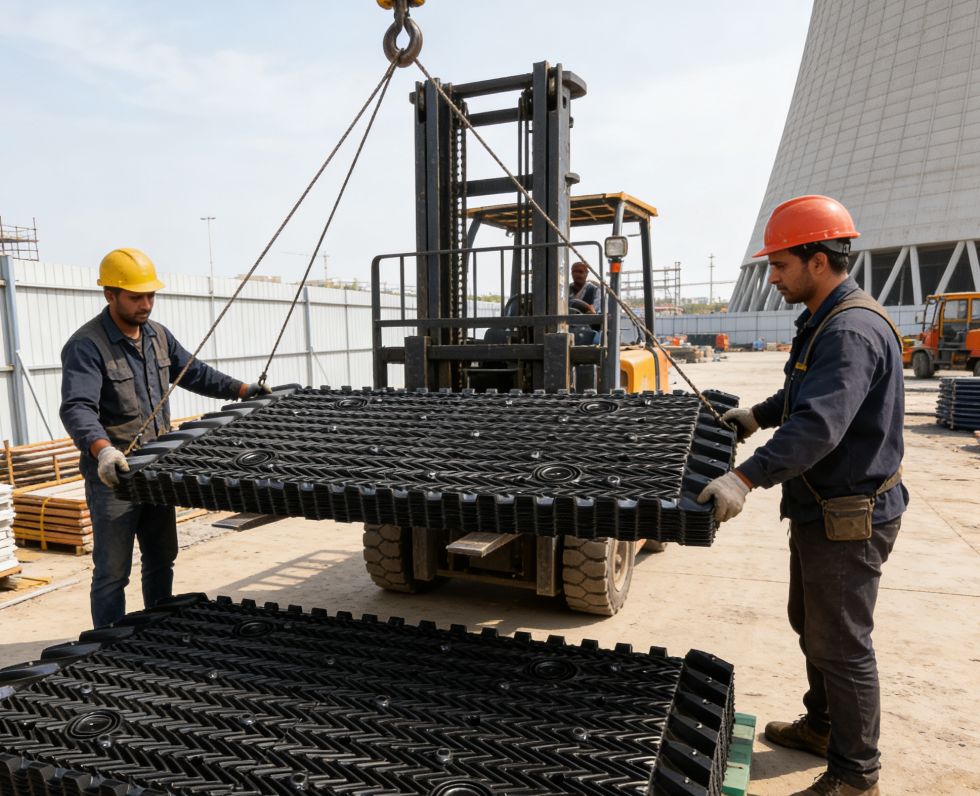
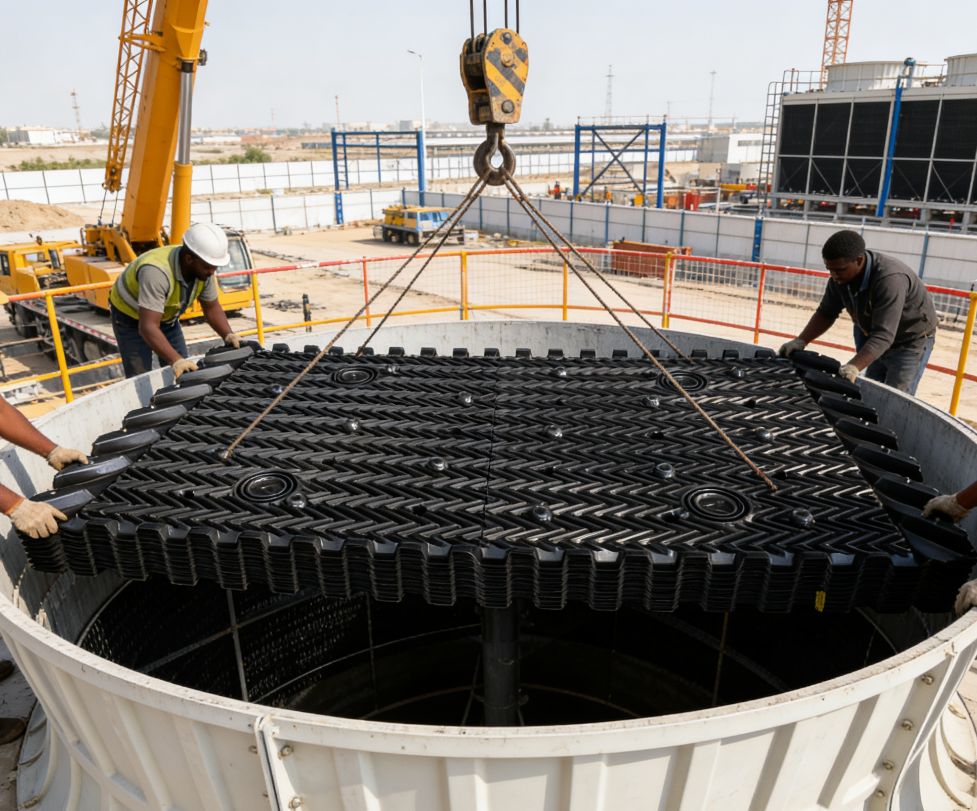
When engineers evaluate the efficiency of a cooling tower, the internal Tower Fill is usually the first component we inspect. In many industrial systems across Southeast Asia, the type of fill installed inside the tower has a direct impact on heat exchange performance. Over the years, film-based fill structures have become one of the most widely used solutions because they dramatically increase the surface area where air and water interact.
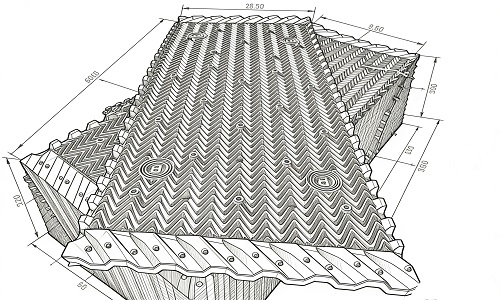
A properly designed film fill structure allows water to spread across thin surfaces instead of falling freely through open space. This thin film increases evaporation efficiency and improves the overall cooling capacity of the tower without requiring larger equipment or higher fan power.
For industrial plants operating in hot and humid climates, especially in Southeast Asia, choosing the right cooling tower internal components can make a significant difference in energy consumption and cooling stability.
Understanding How Film Fill Cooling Tower Structures Work
The Basic Heat Exchange Principle
Cooling towers remove heat through evaporation. Hot circulating water flows downward through the tower while air moves upward through the internal structure. The job of the cooling tower fill is to increase the contact area between these two streams.
When water spreads into thin layers, heat can transfer much more efficiently. This is why modern cooling towers rely heavily on film fill cooling tower designs.
The thin water film creates a large heat transfer surface while still allowing airflow to move smoothly through the tower. This balance between airflow resistance and surface area is critical for maintaining stable cooling performance.
Corrugated Fill Geometry Improves Water Distribution
Most modern fill designs use a corrugated surface pattern. These wave-shaped channels guide water evenly across the fill sheets while maintaining airflow passages.
This type of Corrugated Fill helps prevent water from forming large droplets or uneven streams. Instead, the water spreads evenly across the entire fill pack, ensuring consistent cooling performance throughout the tower.
In many industrial installations, optimized Cooling Tower Media structures help maintain this balance even under heavy water loads.
Key Components That Work Together With Cooling Fill
Drift Eliminators Reduce Water Loss
During operation, some water droplets can be carried upward by the airflow. Without proper control, these droplets may escape the tower and cause water loss or environmental issues.
This is where the Drift Eliminator becomes essential. Its design captures airborne droplets and returns them back into the tower system.
In some facilities, additional devices like Mist Eliminator or Demister units are also installed to further reduce moisture carryover.
Airflow Management Through Inlet Structures
Airflow distribution is just as important as water distribution inside the tower. Poor airflow can create dead zones where heat exchange becomes inefficient.
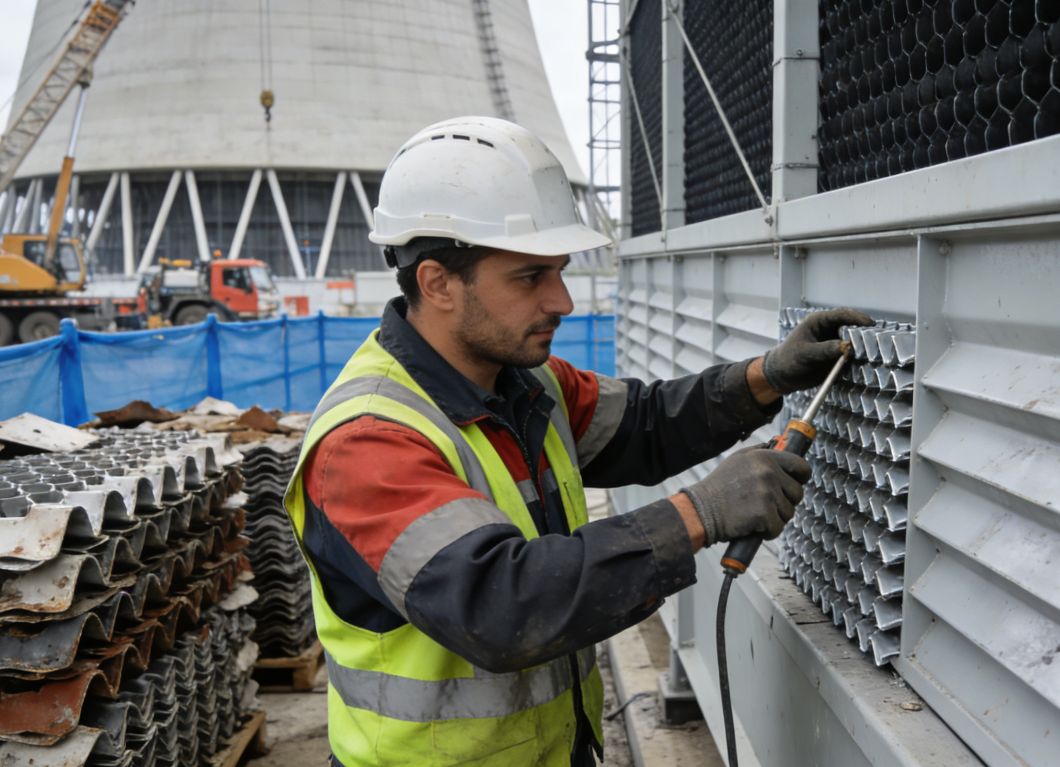
To solve this problem, many towers install airflow control components such as Air Inlet Louvers. These structures guide incoming air into the tower while protecting internal components from debris and sunlight.
Additional airflow control devices like Air Inlet Grilles or Air Intake Screens are commonly used in industrial cooling towers to maintain stable airflow patterns.
Why Film Fill Performs Well In Southeast Asian Climates
High Temperature Conditions
Cooling towers operating in Southeast Asia often face challenging environmental conditions. High temperatures combined with humidity can reduce evaporation efficiency.
Because film fill structures increase the evaporation surface area, they help compensate for these conditions. This is one reason why film fill designs have become the standard solution in many modern cooling towers.
Material Durability In Industrial Environments
Another important factor is material durability. Most Cooling Fill products are manufactured using PVC, PP, or CPVC materials that resist corrosion and biological growth.
These materials allow cooling tower fill structures to maintain performance even under continuous operation conditions typical of power plants, manufacturing facilities, and large HVAC systems.
Simple Maintenance Advice From Cooling Tower Engineers
Regular Inspection Of Fill Packs
From field experience, one of the most common issues affecting cooling tower efficiency is clogged or damaged fill packs. Dust, algae, and scale buildup can reduce airflow and water distribution.
Routine inspections help identify these problems early and prevent performance loss.
Replace Aging Cooling Tower Media When Necessary
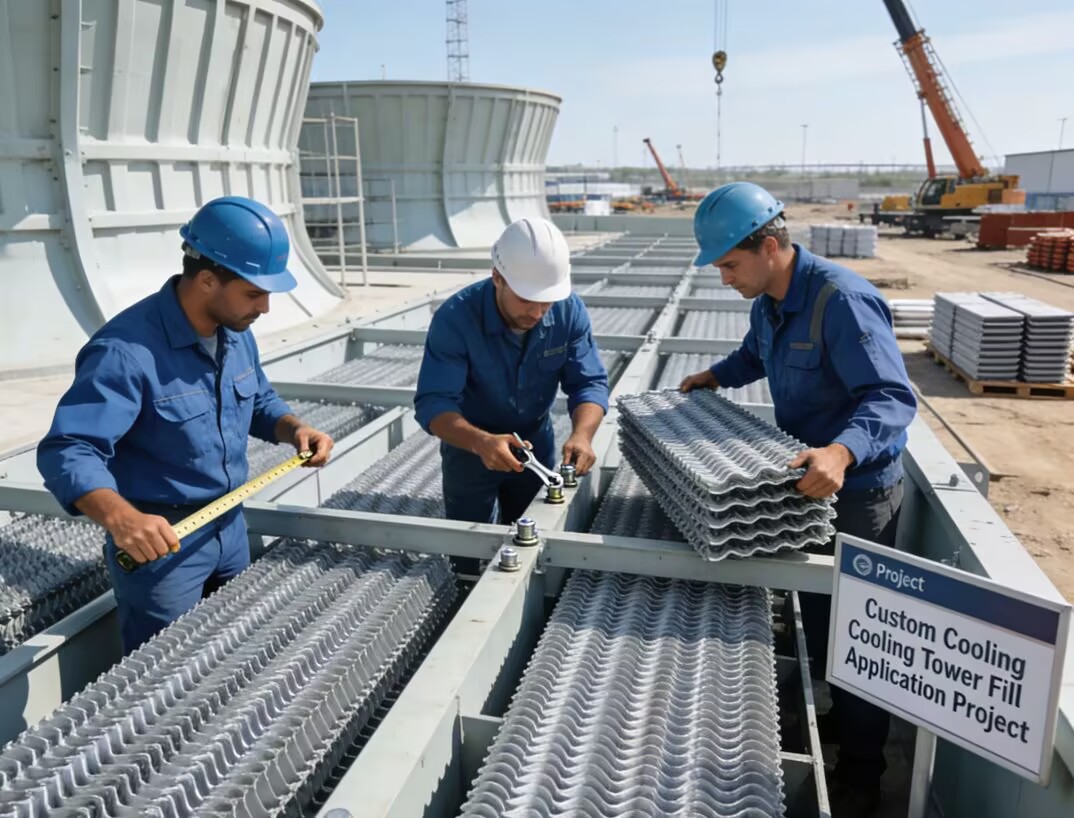
Over time, aging fill material may become brittle or lose its structural stability. Replacing old Cooling Tower Media with modern high-efficiency designs can often restore cooling tower performance without major structural modifications.
Many facilities choose to upgrade their internal cooling tower components instead of replacing the entire tower structure.
Looking Toward Future Cooling Tower Designs
As industrial development continues across Southeast Asia, the demand for efficient cooling systems will continue to grow. Future cooling towers will rely on improved fill structures, better airflow control, and advanced materials to maximize cooling efficiency.
By combining optimized Cooling Fill, modern drift elimination systems, and well-designed air intake components, industrial facilities can significantly improve the performance and reliability of their cooling towers.
Need Cooling Tower Fill Solutions?
If you are planning to upgrade your cooling tower system or searching for reliable cooling tower internal components, our team can help you select the right solution for your application.
We provide cooling tower fill, drift eliminators, water collectors, air inlet louvers and other internal components widely used in industrial cooling systems across Southeast Asia and global markets.
Contact Us HereMore information: https://www.corrugatedfill.com/contact.html