Name: cooling tower fill replacement
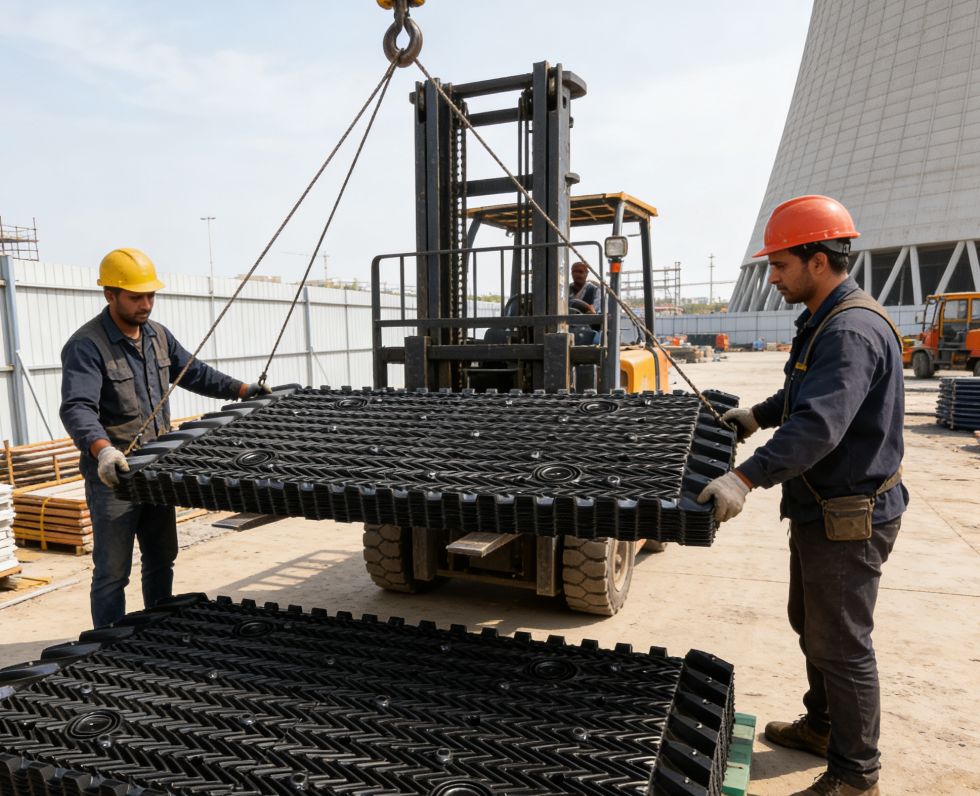
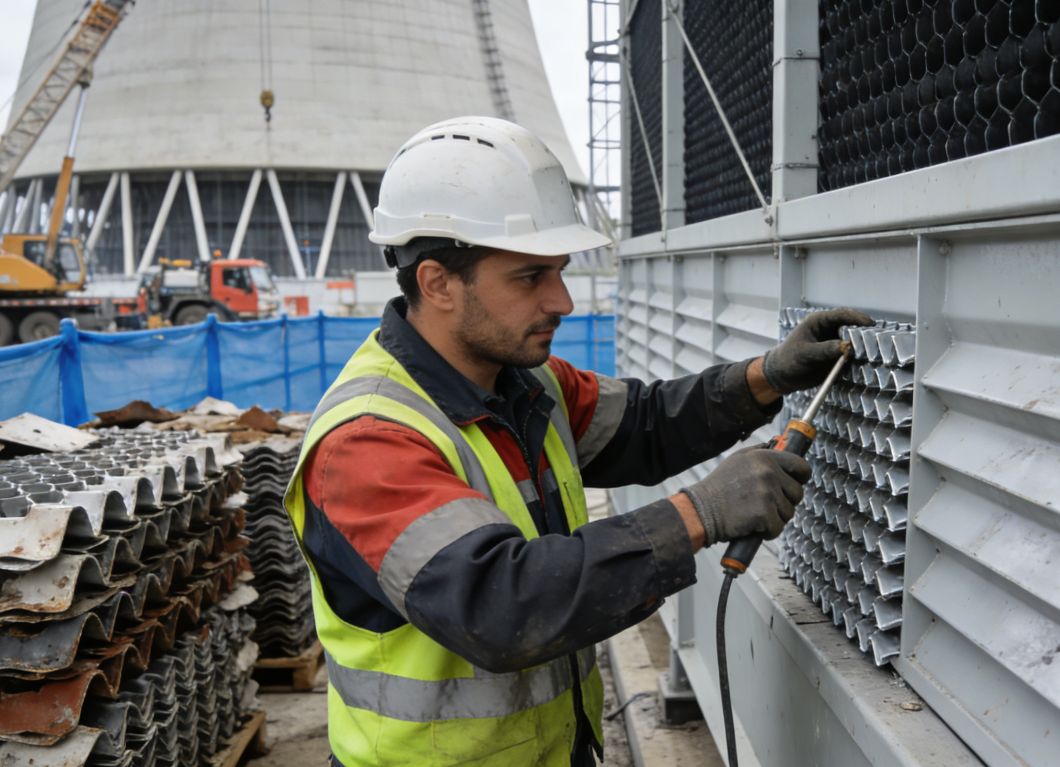
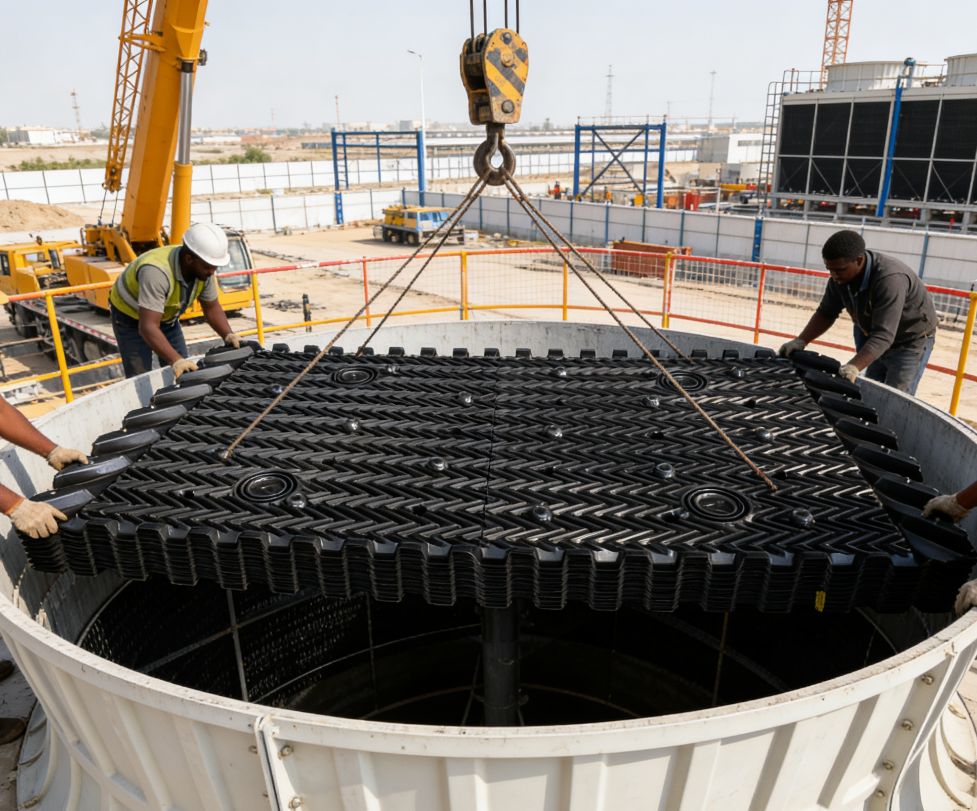
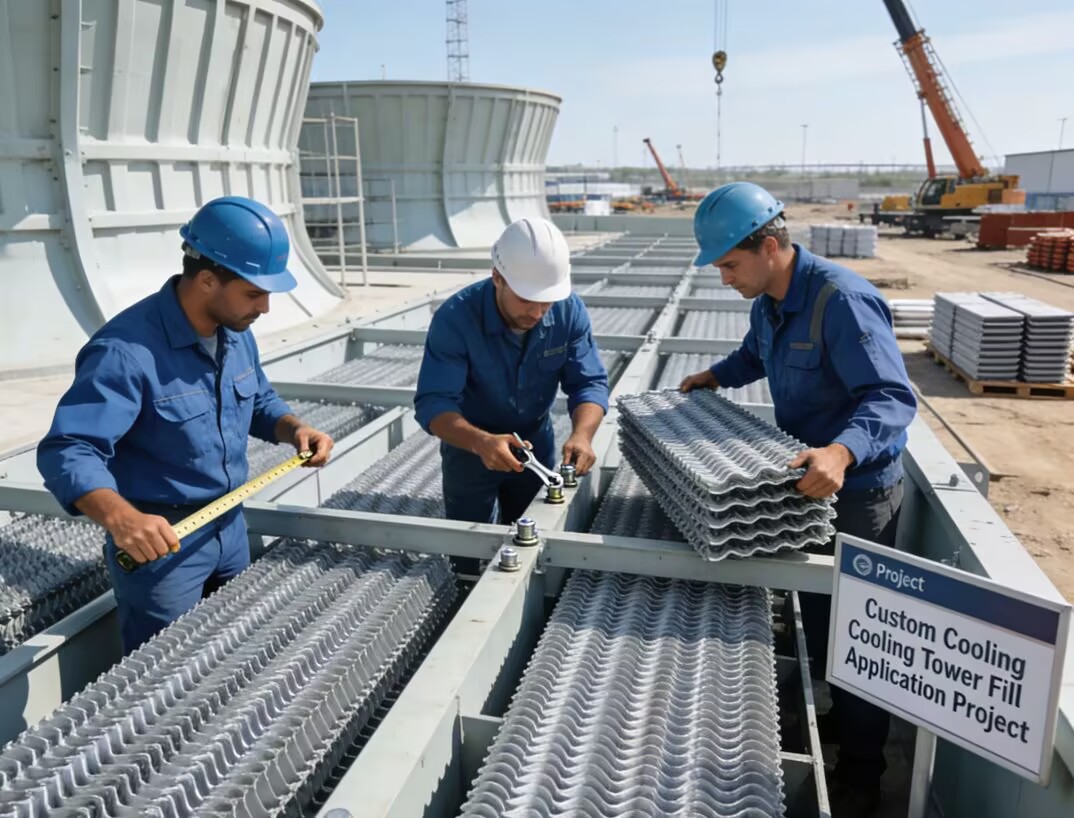
Description: Our cooling tower fill replacement service delivers a complete upgrade to maximize thermal efficiency and reduce energy consumption. Using high-efficiency, flame-retardant PVC fill with optimized surface geometry, we maximize air‑to‑water contact to achieve lower leaving water temperatures without increasing fan load. The engineered process includes removal of aged fill, basin cleaning, structural inspection, and precision installation to eliminate air bypass and ensure uniform water distribution. This proactive restoration extends asset life and provides a rapid return on investment through measurable savings in energy and chemical treatment costs, ensuring reliable operation under demanding thermal loads.
Cooling tower fill operates under continuous exposure to water, heat, and airborne contaminants. Common reasons for replacement include:
Operators should watch for these indicators:
Choosing the right fill replacement strategy depends on budget, downtime tolerance, and performance goals.
Original equipment manufacturer (OEM) fill is engineered to match the tower’s exact geometry and thermal curve. It guarantees the same performance as when the tower was new. OEM kits often include pre‑assembled fill packs, eliminating on‑site cutting and ensuring proper fit. This is the preferred option when maximum efficiency and longevity are required.
Several manufacturers offer aftermarket fill that replicates OEM geometry or provides equivalent thermal performance at a lower cost. When sourced from reputable suppliers, these solutions can be a good balance between price and performance. Compatibility must be verified, especially for towers with unique fill configurations.
Generic welded fill blocks are readily available and are the lowest upfront cost option. However, they are often not custom‑sized for the specific tower, requiring on‑site cutting and potentially leaving gaps that bypass air. Non‑optimized geometry can reduce thermal performance by 20–35** and increase fouling risk. This option is best reserved for non‑critical applications or temporary repairs.
A typical fill replacement project follows these steps:
Fill replacement is a capital investment that typically yields a payback period of 1–3 years through reduced energy consumption. A fouled tower may require 15–30** more fan energy to achieve the same cooling. In addition, restoring design approach protects downstream equipment (chillers, condensers) from operating under higher head pressures, further saving energy. When considering options, the total installed cost (including labor, downtime, and long‑term efficiency) is more important than the material cost alone.
Fill material must be compatible with water chemistry and operating temperature.
Cooling tower fill replacement is one of the most effective upgrades to restore efficiency, lower operating costs, and extend overall equipment life. Recognizing the signs of fill degradation, selecting the appropriate replacement type, and executing a disciplined installation process will ensure the tower delivers reliable, energy‑efficient cooling for another full service cycle. For critical systems, periodic fill inspection should be part of a comprehensive cooling tower maintenance program.
We are professional cooling tower fills manufacturer, which can supply wide ranges of cooling tower fills with PVC, PP or CPVC materials.
The brake oil pipes we provide have multiple monitoring certifications and complete compliance documents to help your business smoothly enter the global market.
Fully automated production line, supporting individual customization. Combined with just-in-time logistics solutions, ensuring stable inventory.
A professional foreign trade technical team provides rapid response and is a trustworthy partner, offering everything from technical Q&A to market insights.

The cooling tower fill from this company has performed reliably in our systems. We appreciate the consistent quality and noticeable efficiency improvement.
CEO & Founder

As a CEO, I value partners who deliver on their promises. Their cooling tower fill is a solid product that contributes to stable operations.
CEO & Founder

We are satisfied with the performance of this cooling tower fill. It has integrated well into our existing setup with good results.
Manager

This company provides quality cooling tower fill that meets our operational needs. It's a dependable component in our infrastructure.
CEO & Founder

We are professional cooling tower fills manufacturer, which can supply wide ranges of cooling tower fills with PVC, PP or CPVC materials.

Instant Chat Support
+8615303180686
packingesale@gmail.com
Get the latest information
Scan the code to follow
Return to the top of the page